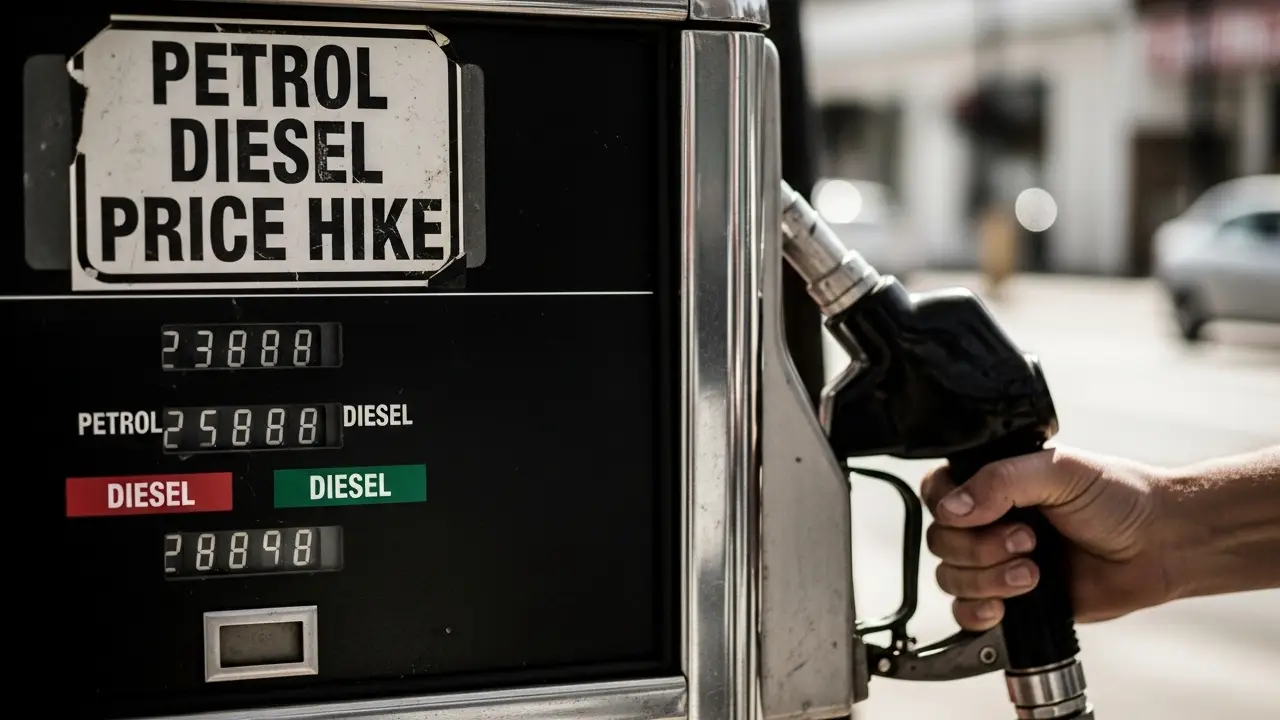
The recent petrol diesel price hike has become a major topic of discussion among consumers, businesses, and policymakers. Rising fuel prices directly impact daily life, from transportation costs to the price of essential goods. As global energy markets fluctuate and local economic conditions evolve, understanding the reasons behind fuel price increases is more important than ever.
This article provides a clear and detailed explanation of the causes, impacts, and possible future outlook of the petrol diesel price hike. It is designed to help readers make informed decisions and better manage their expenses during periods of rising fuel costs.
Why Petrol and Diesel Prices Are Increasing
The petrol diesel price hike is influenced by multiple factors, both global and domestic. One of the primary reasons is the increase in crude oil prices in the international market. Countries that rely on imported oil are especially affected when global prices rise.

Additionally, currency fluctuations, especially a weaker local currency against the US dollar, can increase the cost of importing fuel. Taxes, transportation costs, and refining charges also contribute to higher fuel prices for consumers.
Impact of Fuel Price Hike on Daily Life
A petrol diesel price hike affects almost every aspect of daily life. Transportation becomes more expensive, leading to higher fares for public transport and ride services. People who rely on personal vehicles also feel the financial burden due to increased fuel expenses.
Moreover, the cost of goods often rises because transportation costs increase for businesses. This creates a ripple effect, leading to higher prices for food, groceries, and other essentials.
Effect on Economy and Inflation
The petrol diesel price hike has a direct impact on inflation. As fuel prices rise, production and transportation costs increase, causing overall price levels in the economy to go up. This can reduce purchasing power and affect economic stability.
Businesses may face reduced profit margins due to higher operational costs. In some cases, companies may pass these costs onto consumers, further contributing to inflationary pressure.
Government Policies and Fuel Pricing
Government policies play a significant role in determining fuel prices. Taxes and levies on petrol and diesel often make up a large portion of the final price paid by consumers. During a petrol diesel price hike, governments may adjust taxes or provide subsidies to reduce the burden on citizens.
However, balancing revenue generation and consumer relief is a complex task. Governments must ensure fiscal stability while also addressing public concerns over rising fuel costs.
Ways Consumers Can Manage Rising Fuel Costs
While a petrol diesel price hike is beyond individual control, there are several ways consumers can manage its impact. Using public transport, carpooling, and maintaining vehicles for better fuel efficiency can help reduce expenses.
Planning trips efficiently and avoiding unnecessary travel can also contribute to savings. Small lifestyle adjustments can make a noticeable difference over time.
Future Outlook of Petrol and Diesel Prices
The future of petrol diesel price hike depends on global oil supply, geopolitical conditions, and economic policies. While prices may fluctuate, long-term trends suggest that energy markets will continue to experience volatility.

There is also a growing focus on alternative energy sources such as electric vehicles and renewable energy. Over time, these alternatives may reduce dependence on traditional fuels and stabilize costs.
Petrol vs Diesel: Key Differences
| Feature | Petrol | Diesel |
|---|---|---|
| Price Trend | Usually higher and fluctuates quickly | Often slightly lower but also rising |
| Usage | Cars, bikes | Trucks, buses, heavy vehicles |
| Fuel Efficiency | Lower compared to diesel | Higher mileage |
| Maintenance Cost | Lower | Slightly higher |
| Impact of Price Hike | Affects personal travel | Affects goods transportation |
Key Factors Behind Petrol Diesel Price Hike
Understanding the key drivers of the petrol diesel price hike can help consumers stay informed. Global supply chain disruptions, increased demand, and geopolitical tensions often lead to higher crude oil prices.
Local factors such as taxation policies, refining costs, and currency exchange rates also contribute significantly. Monitoring these elements can provide insights into future price trends.
Conclusion
The petrol diesel price hike is a complex issue influenced by various global and local factors. Its impact extends beyond fuel costs, affecting inflation, transportation, and everyday expenses. While consumers may not control fuel prices, adopting efficient practices and staying informed can help manage the financial burden.
As the world gradually shifts towards alternative energy solutions, the long-term dependence on petrol and diesel may decrease. Until then, understanding the dynamics of fuel pricing remains essential for individuals and businesses alike.
Frequently Asked Questions (FAQs)
1. Why are petrol and diesel prices increasing?
Prices increase due to rising crude oil costs, currency fluctuations, and government taxes.
2. How does petrol diesel price hike affect inflation?
Higher fuel costs increase transportation and production expenses, leading to overall price rises.
3. Can the government control fuel prices?
Governments can adjust taxes or provide subsidies, but global oil prices largely influence costs.
4. What can consumers do to reduce fuel expenses?
Using public transport, carpooling, and maintaining vehicles can help save fuel.
5. Will fuel prices decrease in the future?
Prices may fluctuate depending on global markets, but long-term stability is uncertain.