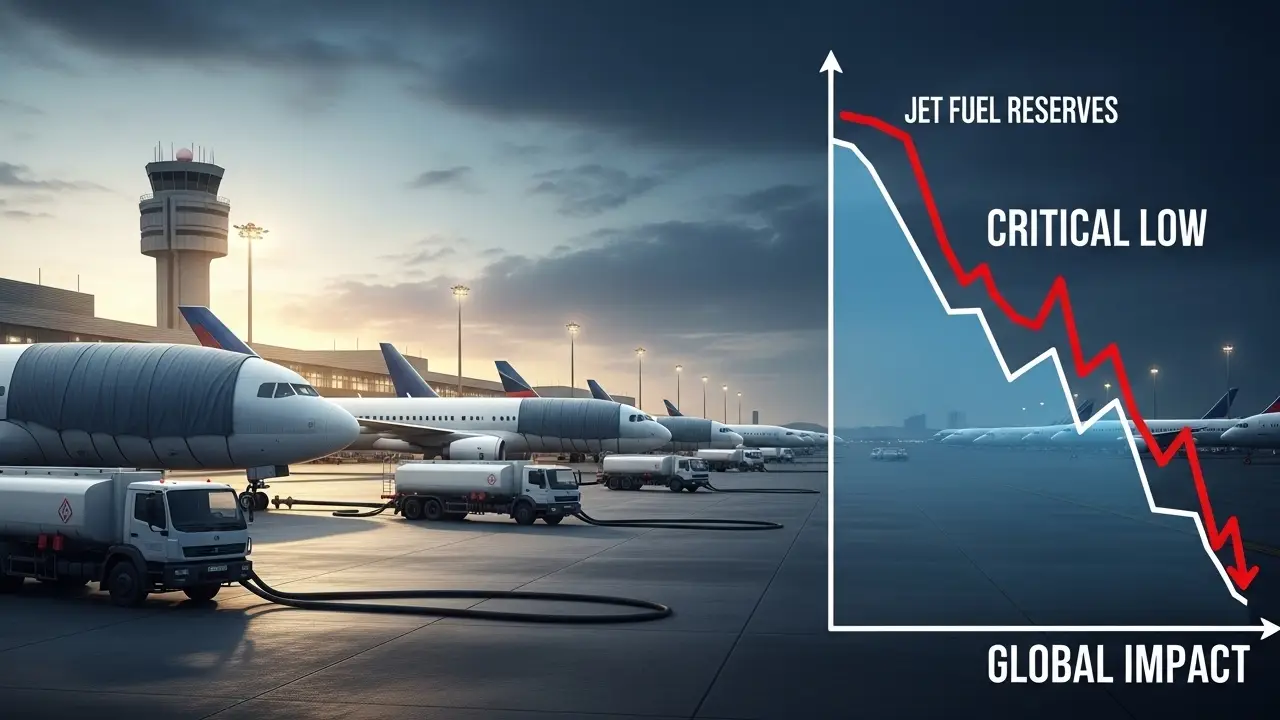
Global jet fuel shortages have become a growing concern across the aviation industry, affecting airlines, airports, and passengers worldwide. As demand for air travel continues to recover and expand, supply chain disruptions and refining challenges are putting pressure on fuel availability. This situation is not only increasing operational costs for airlines but also influencing ticket prices and travel plans for millions of passengers.
Understanding the causes, impacts, and possible solutions to this issue is essential for anyone involved in or affected by the aviation sector. This article provides a clear, detailed look at the current situation without exaggeration, focusing on real factors shaping the global aviation fuel landscape.
What Is Causing Global Jet Fuel Shortages?
The issue of global jet fuel shortages is not caused by a single factor. Instead, it is the result of multiple interconnected challenges affecting fuel production, distribution, and demand.

One major factor is the limited refining capacity worldwide. During recent years, several oil refineries were shut down or repurposed due to reduced demand. Now that air travel is increasing again, the existing infrastructure is struggling to keep up. Additionally, geopolitical tensions and trade restrictions have disrupted supply chains, making it harder to transport fuel efficiently across regions.
Another contributing factor is the shift toward cleaner energy. While this transition is important for long-term sustainability, it has reduced investment in traditional fuel production, including aviation fuel.
Impact on Airlines and Aviation Industry
The shortage of jet fuel is directly affecting airline operations. Fuel is one of the largest expenses for airlines, and any increase in price or decrease in availability creates serious challenges.
Airlines are being forced to adjust flight schedules, optimize routes, and in some cases, reduce the number of flights. Smaller airlines or those with limited financial resources are particularly vulnerable. Increased fuel costs are also leading to higher ticket prices, which can reduce demand and affect overall revenue.
Operational efficiency is becoming a priority, with airlines focusing more on fuel-saving strategies and modern aircraft that consume less fuel.
Effects on Travelers and Ticket Prices
For passengers, global jet fuel shortages can translate into noticeable changes in travel costs and availability. As airlines face higher fuel expenses, these costs are often passed on to customers in the form of increased ticket prices.
Travelers may also experience fewer flight options, especially on less popular routes. Peak travel seasons could become more expensive due to limited fuel supply combined with high demand. However, these changes vary by region and airline, depending on how each company manages its fuel resources.
Regional Differences in Fuel Supply
The impact of jet fuel shortages is not uniform across the world. Some regions are experiencing more severe disruptions than others.
For example, countries that rely heavily on imported fuel are more vulnerable to supply chain issues. Meanwhile, regions with strong domestic refining capacity may face fewer disruptions but are still affected by global pricing trends.
Airports in remote or less-developed areas are also more likely to face shortages, which can lead to flight delays or cancellations.
Role of Supply Chain Disruptions
Supply chain challenges are playing a significant role in the global jet fuel shortages. Transportation delays, port congestion, and logistical inefficiencies are slowing down the movement of fuel from refineries to airports.
In addition, unexpected events such as extreme weather conditions or infrastructure issues can further disrupt supply chains. These factors make it difficult for airlines to maintain consistent fuel availability, especially on international routes.
Environmental Policies and Their Influence
Environmental regulations are also influencing the availability of jet fuel. Governments around the world are encouraging the use of sustainable aviation fuel (SAF) to reduce carbon emissions.

While this is a positive step for the environment, the production of SAF is still limited and cannot fully replace traditional jet fuel at this stage. As a result, the transition period is creating additional pressure on existing fuel supplies.
Airlines are investing in greener technologies, but widespread adoption will take time and significant resources.
Possible Solutions and Industry Response
Addressing global jet fuel shortages requires a combination of short-term and long-term strategies. In the short term, improving supply chain efficiency and increasing refinery output can help stabilize the situation.
In the long term, investment in sustainable aviation fuel and alternative energy sources is essential. Governments, energy companies, and airlines must work together to develop solutions that balance environmental goals with operational needs.
Technological advancements, such as more fuel-efficient aircraft and better route planning systems, can also reduce overall fuel consumption.
Future Outlook for Jet Fuel Supply
The future of jet fuel supply depends on how effectively the industry adapts to current challenges. While shortages may continue in the short term, efforts to expand production capacity and improve logistics are expected to bring gradual improvements.
The transition to sustainable aviation fuels will play a crucial role in shaping the future of the aviation industry. However, achieving a stable and reliable fuel supply will require time, investment, and global cooperation.
Passengers and airlines alike may need to adjust to changing conditions as the industry evolves.
Key Factors Behind Jet Fuel Shortages
| Factor | Description |
|---|---|
| Refinery Capacity | Limited number of active refineries producing aviation fuel |
| Supply Chain Issues | Delays in transportation and distribution of fuel |
| Rising Demand | Increase in global air travel after recovery periods |
| Geopolitical Factors | Trade restrictions and regional conflicts affecting supply |
| Environmental Policies | Shift toward sustainable fuels reducing traditional production |
FAQs About Global Jet Fuel Shortages
1. What are global jet fuel shortages?
Global jet fuel shortages refer to a situation where the supply of aviation fuel is insufficient to meet demand across different regions.
2. Why are jet fuel prices increasing?
Prices are rising due to limited supply, higher demand, and ongoing supply chain challenges.
3. How do fuel shortages affect airline tickets?
Airlines may increase ticket prices to cover higher fuel costs, making travel more expensive for passengers.
4. Are all countries affected equally?
No, the impact varies depending on local refining capacity, import dependency, and infrastructure.
5. Can sustainable fuel solve this issue?
Sustainable aviation fuel can help in the long term, but current production levels are not yet sufficient to replace traditional fuel completely.