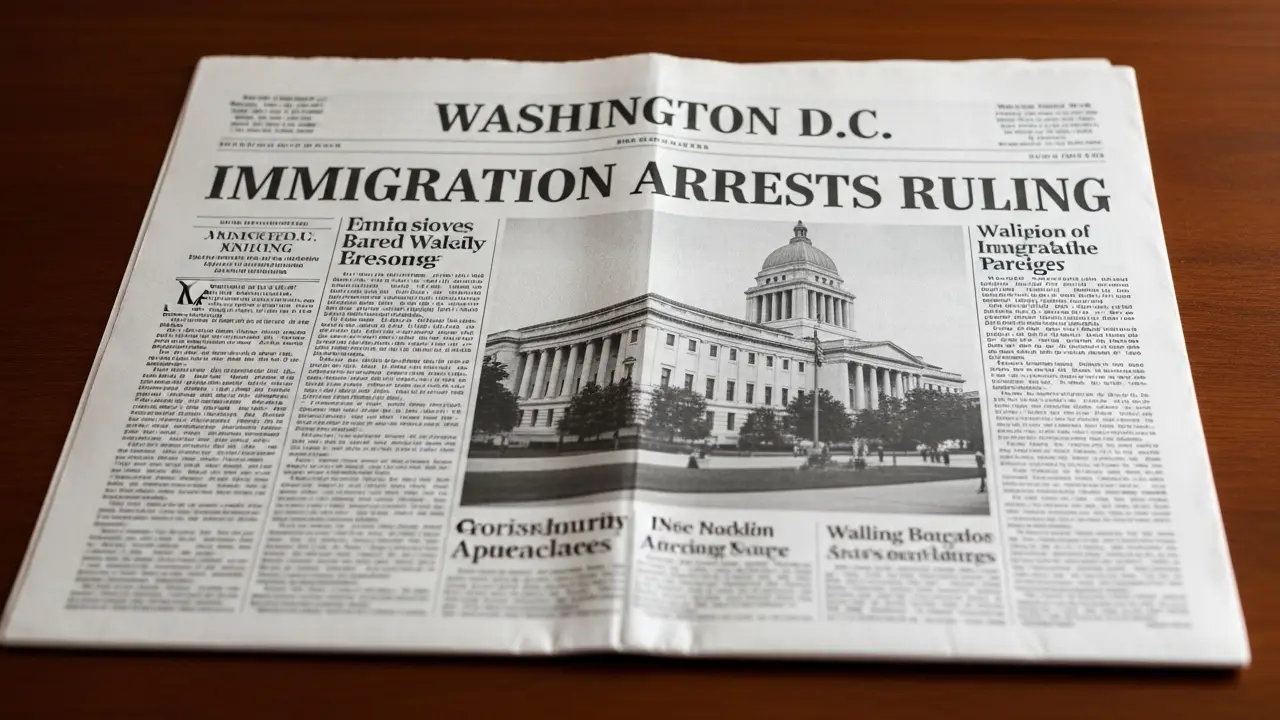
The recent Washington DC immigration arrests ruling has drawn widespread attention across legal, political, and community circles. This decision addresses how immigration enforcement operates within the capital and clarifies the limits placed on local authorities. For many residents, especially immigrant communities, the ruling provides important clarity about rights, protections, and the role of federal agencies.
This article explains the key aspects of the ruling, its legal background, and how it may affect daily life in Washington, DC. It also explores broader implications for immigration policy in the United States.
Background of the Washington DC Immigration Arrests Case
The issue began when concerns were raised about how immigration arrests were being conducted in Washington, DC. Advocacy groups and legal experts argued that certain practices might conflict with local policies designed to protect residents regardless of their immigration status.

The case eventually reached federal courts, where judges examined whether immigration enforcement actions aligned with constitutional protections and local governance rules. The ruling aims to balance federal authority with community rights, ensuring that enforcement does not overstep legal boundaries.
Key Highlights of the Ruling
The Washington DC immigration arrests ruling outlines several important points that define how enforcement can proceed. One of the most notable aspects is the limitation on how and where arrests can take place.
Courts emphasized that while federal agencies like Immigration and Customs Enforcement (ICE) retain authority, they must operate within clearly defined legal frameworks. This includes respecting due process and avoiding actions that could violate constitutional rights.
Impact on Local Law Enforcement
Local law enforcement agencies in Washington, DC are not required to actively participate in federal immigration enforcement unless specific legal conditions are met. This reinforces the city’s stance on maintaining trust between police and local communities.
The ruling also clarifies that local police should focus on public safety responsibilities rather than immigration enforcement. This separation is intended to encourage cooperation from residents without fear of immigration consequences.
How the Ruling Affects Immigrant Communities
For immigrant communities, the decision provides a level of reassurance. It highlights that individuals have rights regardless of their immigration status, including protection from unlawful detention or arrest.
Community organizations have welcomed the ruling as a step toward ensuring fairness and transparency. However, they also emphasize the importance of staying informed about legal rights and available support systems.
Legal Principles Behind the Decision
The court’s decision is based on several core legal principles, including constitutional protections such as the Fourth Amendment, which guards against unreasonable searches and seizures. Judges also considered how federal and local laws interact.
This ruling reinforces the idea that immigration enforcement must follow established legal procedures. It cannot bypass safeguards that protect individuals from arbitrary actions.
Broader Implications Across the United States
Although the ruling specifically addresses Washington, DC, its implications extend beyond the city. Other jurisdictions may look to this decision as a reference when shaping their own policies on immigration enforcement.
Legal experts suggest that the case could influence future court decisions and legislative actions. It may also encourage discussions about the balance between federal authority and local governance.

Public Reaction and Policy Debate
The ruling has sparked a wide range of reactions. Some policymakers and advocacy groups view it as a necessary step to protect civil liberties. Others argue that it may limit the effectiveness of immigration enforcement.
This ongoing debate reflects broader national discussions about immigration policy, enforcement priorities, and the role of local governments in federal matters.
What Residents Should Know
Residents of Washington, DC should understand that the ruling does not eliminate immigration enforcement but ensures it is conducted within legal limits. Knowing individual rights remains essential.
Individuals are encouraged to stay informed, seek legal advice if needed, and understand how the ruling may apply to their specific situation. Community organizations and legal aid groups continue to provide resources and guidance.
Future Outlook
The Washington DC immigration arrests ruling is likely to shape future policy decisions and legal challenges. As immigration remains a key issue in national discourse, similar cases may arise in other regions.
Observers expect continued monitoring of how the ruling is implemented and whether it leads to changes in enforcement practices. The long-term impact will depend on how courts, lawmakers, and agencies respond.
| Aspect | Details |
|---|---|
| Location | Washington, DC |
| Focus | Immigration Arrest Procedures |
| Key Authority | Federal Agencies (e.g., ICE) |
| Legal Basis | Constitutional Protections & Local Policies |
| Impact | Limits on Enforcement Practices |
| Community Effect | Increased Awareness of Rights |
FAQs About Washington DC Immigration Arrests Ruling
1. What is the Washington DC immigration arrests ruling?
It is a legal decision that defines how immigration arrests can be conducted in Washington, DC, ensuring they follow constitutional and local laws.
2. Does the ruling stop immigration enforcement?
No, it does not stop enforcement. It ensures that actions are carried out within legal limits and respect individual rights.
3. How does this affect local police?
Local police are not required to assist in immigration enforcement unless specific legal conditions apply, allowing them to focus on public safety.
4. What rights do immigrants have under this ruling?
Individuals retain constitutional protections, including protection against unlawful arrest and detention.
5. Could this ruling impact other states?
Yes, it may influence legal decisions and policies in other regions facing similar immigration enforcement issues.