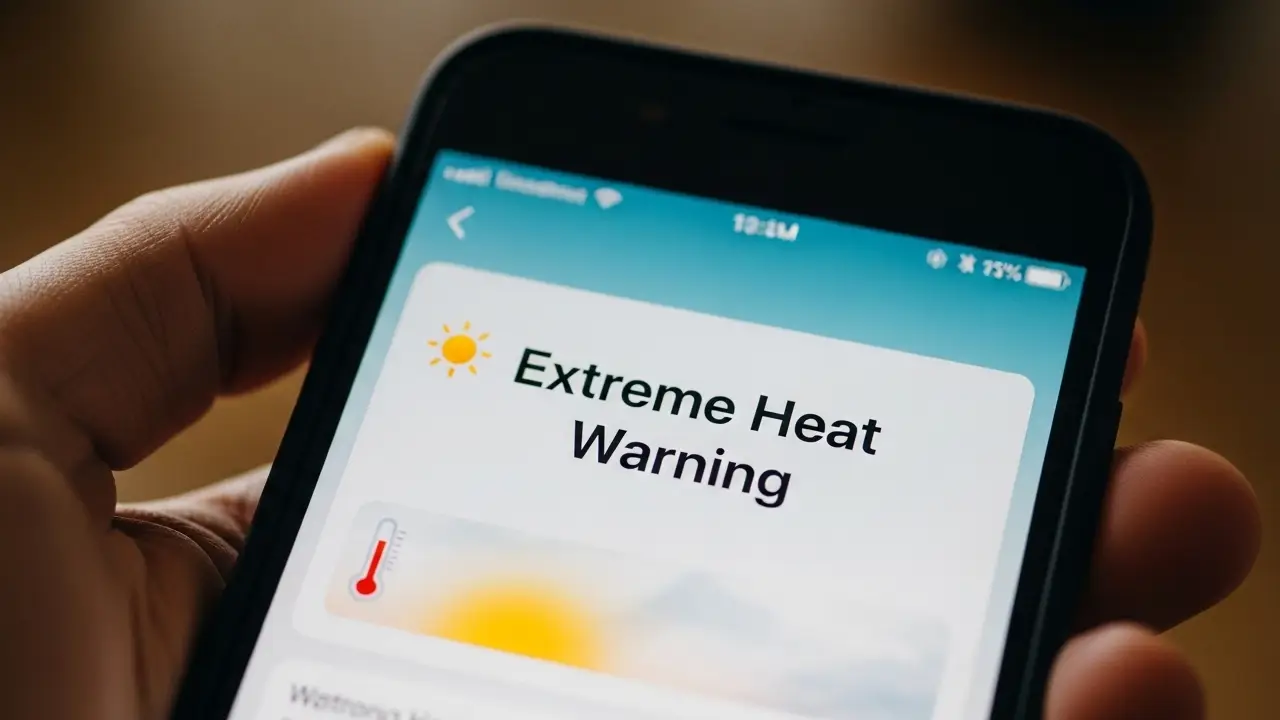
An extreme heat warning has been issued across multiple regions as temperatures continue to rise to dangerous levels. Meteorological departments are urging residents to take immediate precautions as prolonged exposure to high temperatures can lead to serious health risks. Heatwaves are becoming more frequent due to changing climate patterns, making it essential for individuals to stay informed and prepared.
Authorities have emphasized that this is not just typical summer heat. The current conditions are classified as extreme, meaning temperatures are significantly higher than seasonal averages. This situation increases the risk of dehydration, heat exhaustion, and even life-threatening heatstroke, especially among vulnerable groups such as children, the elderly, and outdoor workers.

What Does an Extreme Heat Warning Mean?
An extreme heat warning is issued when temperatures are expected to reach levels that can pose a serious threat to human health. It typically indicates prolonged periods of high heat combined with high humidity, which makes it harder for the body to cool down naturally.
During such warnings, public health agencies recommend limiting outdoor activities, staying hydrated, and using cooling methods like fans or air conditioning. Ignoring these warnings can lead to severe health complications, particularly if precautions are not taken seriously.
Main Causes Behind Increasing Heatwaves
The rise in extreme heat events is closely linked to global climate changes. Increased greenhouse gas emissions have led to higher average global temperatures, making heatwaves more intense and longer-lasting.
Urbanization also plays a significant role. Cities tend to trap heat due to concrete structures and limited green spaces, a phenomenon known as the urban heat island effect. This results in even higher temperatures in densely populated areas compared to rural surroundings.
Health Risks Associated with Extreme Heat
Exposure to extreme heat can have serious health consequences. Common conditions include heat cramps, heat exhaustion, and heatstroke. Heatstroke is particularly dangerous and can lead to organ failure if not treated promptly.
Symptoms to watch for include dizziness, excessive sweating, nausea, rapid heartbeat, and confusion. In severe cases, individuals may lose consciousness. Immediate medical attention is required if heatstroke is suspected.
Who Is Most at Risk?
Certain groups are more vulnerable during an extreme heat warning. These include elderly individuals, infants, people with chronic illnesses, and those who work outdoors such as construction workers and farmers.
Additionally, individuals without access to proper cooling systems are at a higher risk. Socioeconomic factors can also play a role, as not everyone has equal access to resources like air conditioning or clean drinking water.
Essential Safety Tips During Extreme Heat
Staying safe during extreme heat requires proactive measures. One of the most important steps is to stay hydrated by drinking plenty of water throughout the day. Avoid beverages that can dehydrate the body, such as alcohol and caffeine.
It is also recommended to wear lightweight, loose-fitting clothing and avoid direct sun exposure during peak hours, typically between midday and late afternoon. Using sunscreen can help protect the skin from harmful UV rays.
Impact on Daily Life and Infrastructure
Extreme heat does not only affect health; it also impacts daily life and infrastructure. Power demand often increases due to the use of air conditioning, which can lead to electricity shortages or outages.

Transportation systems may also be affected, as high temperatures can damage roads and railway tracks. Agricultural productivity can decline due to heat stress on crops, leading to potential food supply issues.
Role of Governments and Authorities
Governments play a critical role in managing extreme heat warnings. Public awareness campaigns, emergency cooling centers, and early warning systems are essential tools used to minimize the impact of heatwaves.
Authorities often coordinate with healthcare services to ensure readiness for heat-related emergencies. Providing accessible information and resources helps communities respond effectively to extreme conditions.
How to Prepare for Future Heatwaves
Preparation is key to reducing the impact of future heatwaves. Individuals should create a heat action plan that includes identifying cooling areas, keeping emergency supplies, and checking on vulnerable family members or neighbors.
Long-term solutions involve improving urban planning, increasing green spaces, and promoting energy-efficient cooling systems. These steps can help reduce the severity of heat impacts over time.
Extreme Heat Warning Overview
| Category | Details |
|---|---|
| Warning Type | Extreme Heat Warning |
| Temperature Range | Typically above 40°C (region dependent) |
| Risk Level | High to Severe Health Risk |
| Duration | Several days to weeks |
| Main Hazards | Heatstroke, dehydration, exhaustion |
| Recommended Actions | Stay indoors, hydrate, avoid sun exposure |
Conclusion
The increasing frequency of extreme heat warnings highlights the importance of awareness and preparedness. These warnings are not to be taken lightly, as they indicate conditions that can significantly impact health and daily life.
By understanding the risks and following safety guidelines, individuals can protect themselves and their communities. Staying informed and taking preventive measures can make a crucial difference during extreme heat events.
FAQs
1. What should I do during an extreme heat warning?
Stay indoors as much as possible, drink plenty of water, and avoid strenuous activities during peak heat hours.
2. How is an extreme heat warning different from a heat advisory?
An extreme heat warning indicates more severe and dangerous conditions compared to a standard heat advisory.
3. Who should take extra precautions during heatwaves?
Elderly individuals, children, people with medical conditions, and outdoor workers should be especially careful.
4. Can extreme heat affect healthy individuals?
Yes, even healthy individuals can experience heat exhaustion or heatstroke if exposed to high temperatures for prolonged periods.
5. How can I keep my home cool without air conditioning?
Use fans, keep curtains closed during the day, and ensure proper ventilation during cooler hours like early morning or night.