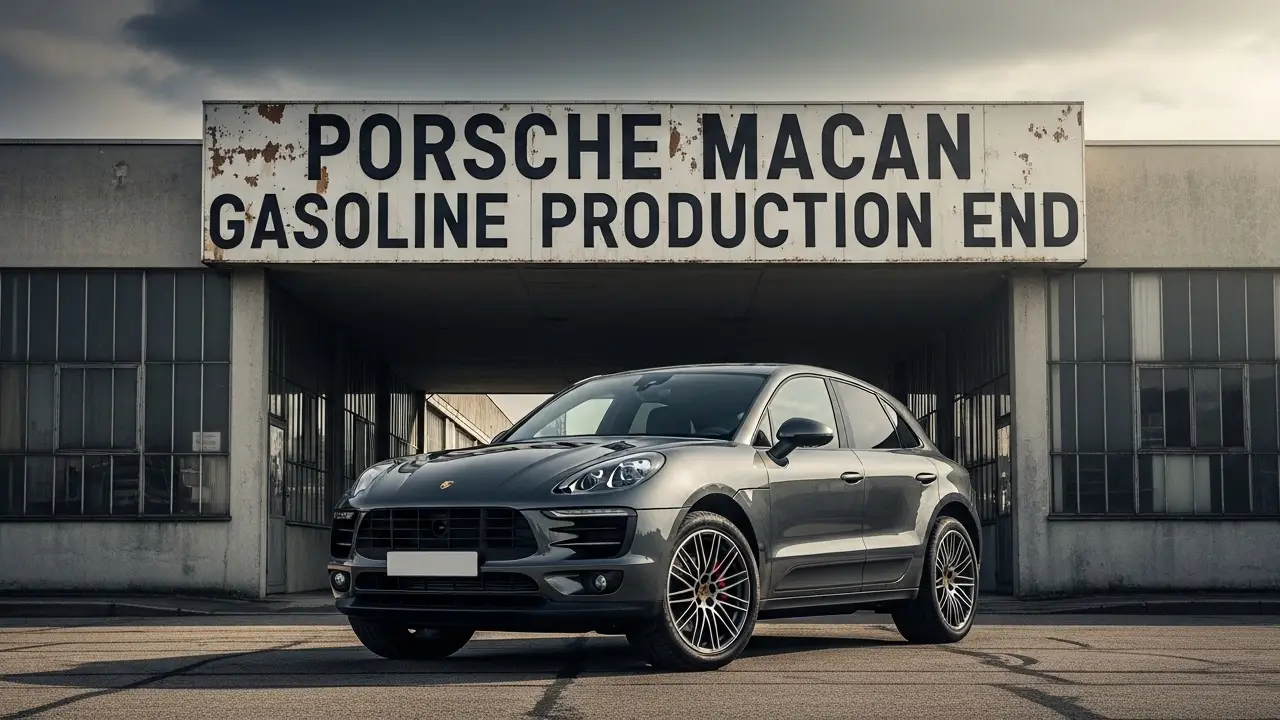
The Porsche Macan gasoline production end marks a significant shift in the automotive industry. Porsche has officially begun phasing out its petrol-powered Macan models as it transitions toward a fully electric future. This move reflects not only changing consumer demand but also stricter global emission regulations and the brand’s long-term sustainability goals.
For years, the Macan has been one of Porsche’s best-selling SUVs, known for combining luxury, performance, and everyday practicality. However, as the automotive world moves toward electrification, even iconic models like the Macan must evolve to stay relevant.
Why Porsche Is Ending Gasoline Macan Production
The decision to end gasoline-powered Porsche Macan production is driven by multiple factors. First, global environmental policies are becoming stricter, pushing automakers to reduce carbon emissions. Governments in Europe, China, and other key markets are introducing regulations that make it increasingly difficult to sell petrol vehicles.

Secondly, Porsche has committed to becoming a leader in electric mobility. The success of the Taycan has proven that electric vehicles can deliver both performance and luxury. As a result, Porsche is focusing its resources on developing electric platforms instead of continuing with internal combustion engines.
Timeline for Porsche Macan Gasoline Production End
The phase-out of the petrol Macan is not happening overnight. Porsche has already discontinued gasoline versions in certain markets, especially in Europe, due to cybersecurity and emissions regulations. However, in regions like North America and some parts of Asia, the petrol Macan may still be available for a limited time.
Globally, Porsche plans to fully replace the gasoline Macan with its electric counterpart within the next few years. This gradual transition ensures that customers still have access to the model while the company ramps up production of electric variants.
Introduction of the Electric Porsche Macan
As gasoline production ends, Porsche is introducing the all-electric Macan, built on a new premium electric platform. This new version is designed to maintain the sporty driving dynamics that the Macan is known for while offering zero emissions.
The electric Macan will feature advanced battery technology, faster charging capabilities, and improved efficiency. Porsche aims to deliver performance that matches or exceeds the gasoline version, ensuring that loyal customers do not feel a loss in driving excitement.
Performance Expectations of the Electric Macan
Performance has always been a key selling point of the Macan. The electric version is expected to offer instant torque, quicker acceleration, and a smoother driving experience. These features are typical of electric vehicles and align well with Porsche’s performance-focused brand identity.
Additionally, improvements in battery technology will likely provide competitive driving range, making the electric Macan suitable for both daily use and long-distance travel.
Impact on Existing Macan Owners
For current owners of gasoline Macan models, the production end does not mean immediate obsolescence. Porsche will continue to provide service, parts, and support for existing vehicles. This ensures that owners can maintain their cars without concern.
In fact, the discontinuation of petrol models may increase the resale value of well-maintained units, as they could become more desirable among enthusiasts who prefer traditional engines.
Market Reaction to Porsche’s Decision
The market reaction to the Porsche Macan gasoline production end has been mixed. Many customers welcome the shift toward electric vehicles, appreciating the environmental benefits and technological advancements. Others, however, remain attached to the sound and feel of traditional engines.
Despite this divide, industry trends clearly show a growing preference for electric vehicles. Porsche’s decision aligns with this trend and positions the brand for long-term success.
How This Move Affects the SUV Segment
Porsche’s decision to end gasoline Macan production could influence other luxury automakers. As one of the leading brands in performance SUVs, Porsche often sets trends that others follow. This shift may accelerate the transition to electric SUVs across the industry.
Competitors are already investing heavily in electric models, and Porsche’s move further reinforces the importance of electrification in the premium segment.

Environmental Benefits of Ending Gasoline Production
One of the biggest advantages of ending gasoline Macan production is the reduction in carbon emissions. Electric vehicles produce zero tailpipe emissions, which helps improve air quality and reduce the environmental impact of transportation.
Porsche is also working on making its manufacturing processes more sustainable, further enhancing the environmental benefits of its electric vehicles.
Challenges Porsche May Face
While the transition to electric vehicles offers many benefits, it also presents challenges. These include the high cost of battery production, the need for charging infrastructure, and potential resistance from traditional car enthusiasts.
However, Porsche has a strong track record of innovation and is well-positioned to overcome these challenges. The company’s investment in research and development ensures that it remains competitive in the evolving automotive landscape.
Future of Porsche’s Vehicle Lineup
The end of gasoline Macan production is part of a broader strategy. Porsche aims for a significant portion of its sales to come from electric vehicles in the coming years. Models like the Taycan have already demonstrated the brand’s ability to deliver high-performance electric cars.
In the future, more Porsche models are expected to transition to electric power, further reducing reliance on internal combustion engines.
Specifications Comparison: Gasoline vs Electric Macan
| Feature | Gasoline Macan | Electric Macan |
|---|---|---|
| Engine Type | Petrol Engine | Electric Motor |
| Emissions | CO2 Emissions | Zero Tailpipe Emissions |
| Acceleration | Strong Performance | Instant Torque |
| Fuel/Energy | Petrol | Battery Electric |
| Maintenance | Higher | Lower |
Conclusion
The Porsche Macan gasoline production end represents a major turning point not only for Porsche but for the entire automotive industry. As the brand moves toward electrification, it is redefining what performance and luxury mean in the modern era.
While some enthusiasts may miss the traditional petrol engine, the benefits of electric vehicles—such as improved efficiency, lower emissions, and advanced technology—are hard to ignore. The transition may take time, but it is a necessary step toward a more sustainable future.
FAQs
1. Why is Porsche ending gasoline Macan production?
Porsche is focusing on electric vehicles to meet environmental regulations and align with future mobility trends.
2. When will the gasoline Macan be fully discontinued?
The timeline varies by region, but Porsche plans a complete transition to electric models in the near future.
3. Will Porsche still support existing gasoline Macan owners?
Yes, Porsche will continue to provide service, maintenance, and spare parts for existing vehicles.
4. What are the benefits of the electric Macan?
The electric Macan offers zero emissions, instant torque, and advanced technology features.
5. Is the electric Macan as powerful as the gasoline version?
Yes, Porsche aims to deliver equal or better performance with the electric Macan.