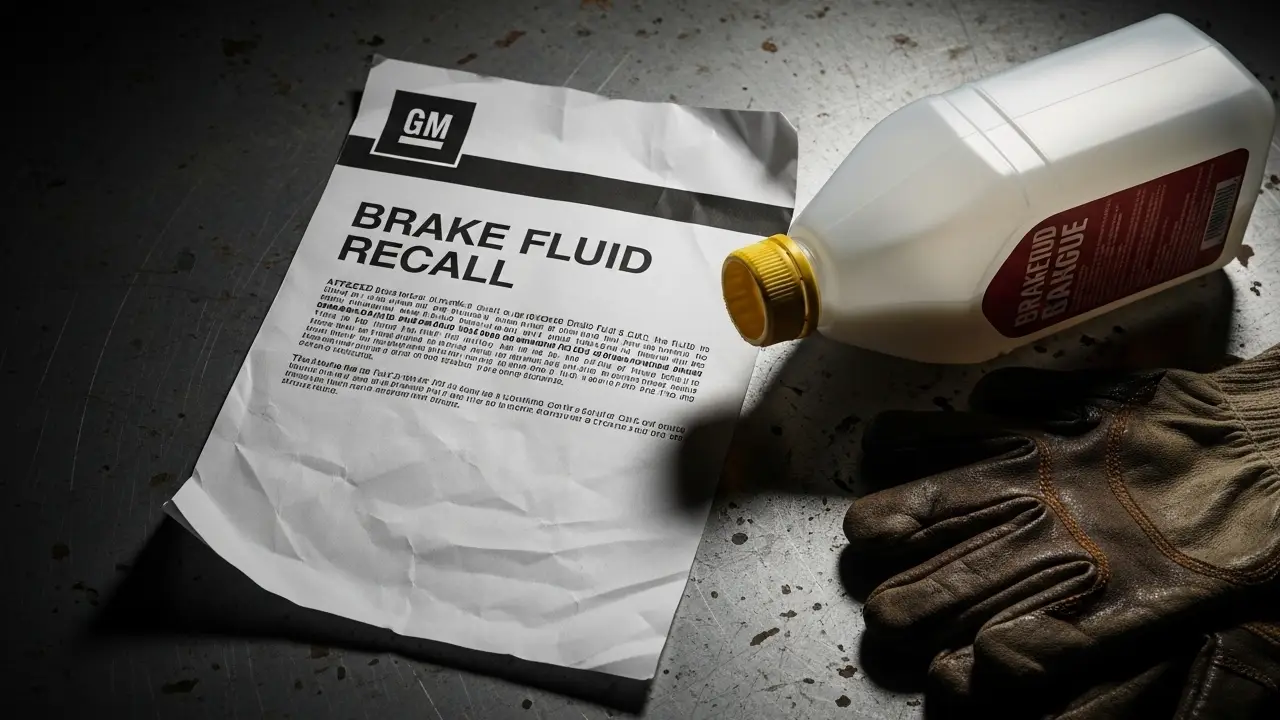
The General Motors brake fluid recall has become a significant topic among vehicle owners, safety experts, and automotive regulators. Recalls related to braking systems are always taken seriously because they directly impact driver safety. In this article, we break down everything you need to know about the recall, including affected vehicles, causes, risks, and what steps you should take if your vehicle is involved.
Understanding this recall is important not only for current owners but also for anyone planning to purchase a used vehicle from General Motors. Staying informed can help you avoid potential safety issues and ensure your vehicle remains reliable on the road.
What Is the General Motors Brake Fluid Recall?
The General Motors brake fluid recall refers to a safety issue where certain GM vehicles may experience problems due to contaminated or improperly functioning brake fluid systems. Brake fluid plays a critical role in transferring force from the brake pedal to the braking components, allowing the vehicle to slow down or stop effectively.

In some cases, the brake fluid may degrade faster than expected or become contaminated, leading to reduced braking performance. This issue can increase stopping distances or, in rare cases, result in partial brake failure, which poses a safety risk.
Why Brake Fluid Is Critical for Vehicle Safety
Brake fluid is a hydraulic fluid that ensures smooth and effective braking. Without it, the braking system cannot function properly. It operates under high pressure and temperature, which means its quality and condition must be maintained at all times.
If brake fluid becomes compromised, it can lead to corrosion inside the braking system or cause internal components to malfunction. This is why any recall related to brake fluid is treated as a high-priority safety concern.
What Caused the Brake Fluid Recall?
The issue behind the General Motors brake fluid recall is typically linked to chemical instability or contamination within the fluid. Over time, certain types of brake fluid can absorb moisture or react with internal components, leading to performance issues.
In some reported cases, the brake fluid affected seals and other internal parts, which resulted in reduced braking efficiency. General Motors initiated the recall after identifying potential risks during internal testing and field reports.
Which Vehicles Are Affected?
The recall may impact a range of vehicles across different GM brands, including Chevrolet, GMC, Cadillac, and Buick. However, not every model or production year is affected. The specific vehicles included in the recall depend on manufacturing batches and component suppliers.
Owners are advised to check their Vehicle Identification Number (VIN) through official GM channels or authorized dealerships to confirm whether their vehicle is part of the recall. This ensures accurate information rather than relying on general lists.
Symptoms of Brake Fluid Issues
If your vehicle is affected by the General Motors brake fluid recall, you may notice several warning signs. Recognizing these symptoms early can help prevent potential safety risks.
Common signs include a soft or spongy brake pedal, longer stopping distances, unusual noises during braking, or warning lights on the dashboard. In some cases, there may be no visible symptoms, which is why checking recall status is essential.
Risks Associated with the Recall
The primary concern with brake fluid issues is reduced braking performance. This can increase the risk of accidents, especially during emergency stops or in high-traffic situations.
While not all affected vehicles will experience immediate problems, the potential for system degradation over time makes it important to address the issue promptly. Ignoring recall notices can lead to more serious mechanical failures.
What Should Owners Do?
If you believe your vehicle may be part of the General Motors brake fluid recall, the first step is to verify your VIN through official sources. Once confirmed, you should schedule an appointment with an authorized GM service center.
Repairs related to safety recalls are typically performed at no cost to the vehicle owner. The service may include replacing brake fluid, inspecting components, or installing updated parts designed to resolve the issue.

How General Motors Is Addressing the Issue
General Motors has taken steps to notify affected vehicle owners through official communication channels, including mail notifications and dealership outreach. The company is also working with service centers to ensure repairs are completed efficiently.
In addition, GM continues to monitor vehicle performance data to prevent similar issues in future models. Recalls like this are part of ongoing efforts to improve vehicle safety and reliability.
Preventive Maintenance Tips for Brake Systems
Even if your vehicle is not part of the recall, maintaining your brake system is essential for safety. Regular inspections and timely fluid replacement can help prevent issues before they become serious.
Experts recommend checking brake fluid levels periodically and replacing the fluid according to the manufacturer’s guidelines. Avoid using incompatible fluids, as this can lead to chemical reactions and system damage.
Impact on Used Car Buyers
The General Motors brake fluid recall is also relevant for those considering purchasing a used GM vehicle. Buyers should always check for open recalls before finalizing a purchase.
A vehicle with an unresolved recall may still be safe to drive, but it is best to ensure that all recall-related repairs have been completed. This adds an extra layer of confidence and safety.
Brake Fluid Recall Overview
| Category | Details |
|---|---|
| Recall Type | Safety Recall |
| Main Issue | Brake fluid degradation or contamination |
| Affected Brands | Chevrolet, GMC, Cadillac, Buick |
| Potential Risk | Reduced braking performance |
| Repair Cost | Free at authorized service centers |
| Owner Action | Check VIN and schedule service |
Frequently Asked Questions (FAQs)
1. How do I check if my vehicle is part of the recall?
You can check your vehicle’s recall status by entering your VIN on the official General Motors website or contacting an authorized dealership.
2. Is it safe to drive a recalled vehicle?
In many cases, the vehicle may still be drivable, but it is recommended to address the recall as soon as possible to avoid potential risks.
3. Will I have to pay for repairs?
No, recall-related repairs are typically performed free of charge by authorized service centers.
4. What happens if I ignore the recall?
Ignoring the recall can increase the risk of brake failure or reduced performance over time, which may lead to unsafe driving conditions.
5. Can used cars still have open recalls?
Yes, used vehicles can have unresolved recalls. Always check the VIN before purchasing a used car.
Final Thoughts
The General Motors brake fluid recall highlights the importance of vehicle safety and regular maintenance. While recalls can be concerning, they are also a sign that manufacturers are actively addressing potential issues to protect drivers.
By staying informed, checking your vehicle status, and taking prompt action, you can ensure your vehicle remains safe and reliable. Whether you are a current owner or a potential buyer, understanding recalls is an essential part of responsible vehicle ownership.