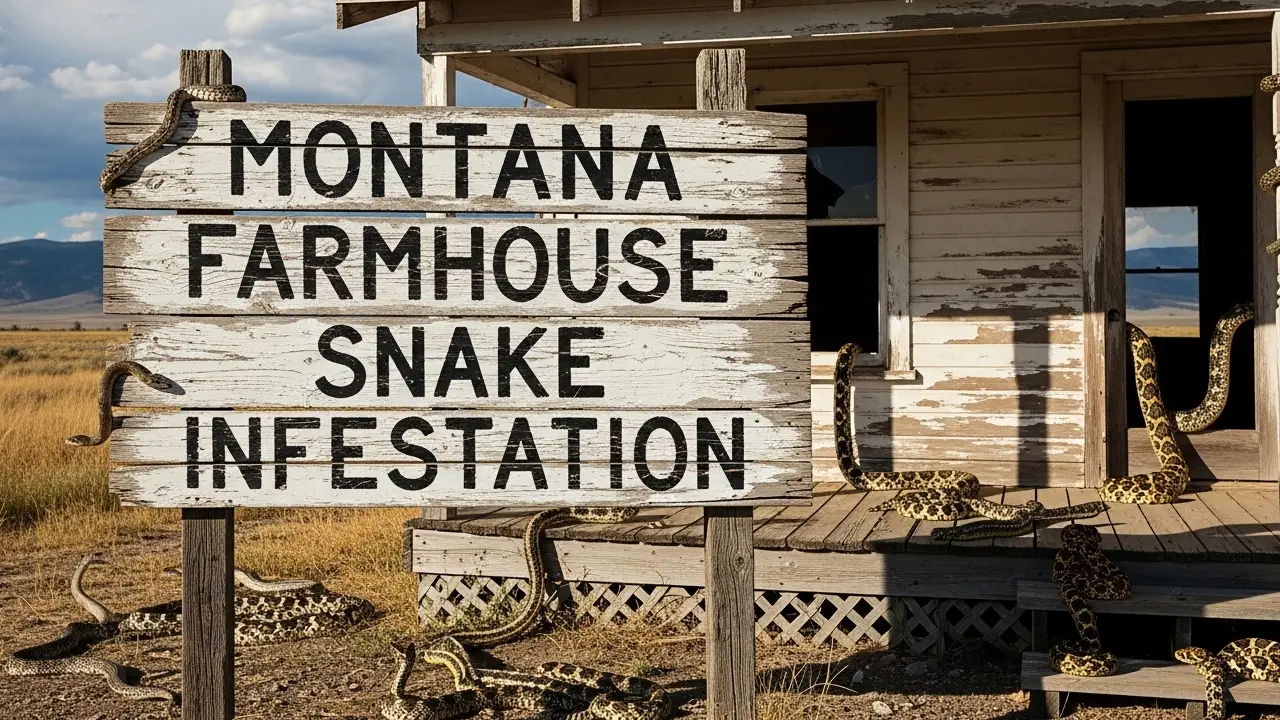
A Montana farmhouse snake infestation can be alarming for homeowners, especially in rural areas where wildlife naturally interacts with living spaces. While snakes are an important part of the ecosystem, their presence inside or near a home raises safety concerns and requires immediate attention. Understanding why snakes enter farmhouses, how to identify risks, and what steps to take can help homeowners manage the situation effectively.
This article provides a detailed and practical guide for dealing with snake infestations in Montana farmhouses. It covers causes, prevention strategies, safe removal methods, and long-term solutions while ensuring safety for both residents and wildlife.

Why Snake Infestations Occur in Montana Farmhouses
Farmhouses in Montana are often located near fields, barns, and natural habitats that are ideal environments for snakes. These reptiles are typically attracted to areas that provide food, shelter, and warmth. A farmhouse can unintentionally offer all three.
Rodents are one of the primary reasons snakes enter homes. If a property has mice or rats, it becomes a natural hunting ground for snakes. Additionally, cluttered barns, woodpiles, and tall grass create perfect hiding spots. Seasonal changes also play a role, as snakes seek warmth during colder months and may enter basements or crawl spaces.
Common Snake Species Found in Montana
Understanding the types of snakes commonly found in Montana is essential for assessing risk. Most snakes in the region are non-venomous and pose little danger to humans, but proper identification is still important.
Common species include garter snakes, bullsnakes, and occasionally rattlesnakes. Garter snakes are harmless and often found near water sources. Bullsnakes help control rodent populations but can grow large and may startle homeowners. Rattlesnakes, although less common near homes, require caution due to their venom.
Signs of a Snake Infestation
Detecting a snake infestation in a Montana farmhouse early can prevent larger problems. There are several warning signs homeowners should watch for around their property.
Common indicators include shed snake skins, unusual sounds in walls or floors, and sightings of snakes near entry points. You may also notice a decrease in rodent populations, which could indicate a predator presence. Snake droppings, which resemble bird droppings but contain hair or bones, are another clear sign.
Health and Safety Risks
While many snakes are harmless, their presence still presents safety concerns. The risk of bites increases when snakes feel threatened, especially in enclosed spaces like basements or storage areas.
Venomous species, though less common, require immediate medical attention if encountered. Even non-venomous snakes can cause stress, fear, and potential injury. Children and pets are particularly vulnerable, making it important to address infestations promptly and carefully.
How Snakes Enter Farmhouses
Snakes can enter homes through surprisingly small openings. Cracks in foundations, gaps under doors, and poorly sealed windows are common entry points. Farmhouses, especially older structures, often have multiple access areas that are easy for snakes to exploit.
Utility lines, vents, and crawl spaces are also common entryways. Once inside, snakes tend to stay in quiet, dark, and undisturbed areas such as basements, attics, or storage rooms.
Effective Ways to Prevent Snake Infestations
Prevention is the most reliable way to deal with a Montana farmhouse snake infestation. By making your property less attractive to snakes, you can significantly reduce the chances of encountering them.
Start by eliminating food sources. Control rodent populations through proper sanitation and secure food storage. Keep grass trimmed and remove debris like woodpiles and rocks near the house. Seal all cracks and gaps in the foundation and install door sweeps to block entry points.
Maintaining a clean and organized yard is crucial. Regular inspections of barns, sheds, and storage areas can also help identify potential hiding spots before they become a problem.

Safe Snake Removal Methods
If you discover a snake inside your farmhouse, it is important to remain calm and avoid direct contact. Attempting to handle a snake without proper knowledge can be dangerous.
The safest option is to contact local wildlife control or pest management professionals. They have the expertise and equipment to remove snakes safely and humanely. In some cases, relocating the snake to a suitable habitat is the best solution.
For minor situations, gently guiding the snake out using tools while maintaining distance may work, but professional assistance is always recommended when unsure.
Long-Term Solutions for Rural Homes
Long-term management of snake infestations requires consistent effort. Farmhouses located in rural Montana must adopt ongoing preventive measures rather than one-time fixes.
Installing snake-proof fencing around key areas can help reduce entry. Regular pest control treatments for rodents will also limit the food supply that attracts snakes. Monitoring seasonal patterns and conducting routine inspections can further enhance protection.
Education is equally important. Understanding snake behavior and knowing which species are common in your area helps homeowners respond appropriately without panic.
When to Call Professionals
There are situations where professional help is necessary. If multiple snakes are seen, if a venomous species is suspected, or if snakes are repeatedly entering the home, it is best to seek expert assistance.
Wildlife removal services can assess the property, identify entry points, and provide tailored solutions. They can also ensure compliance with local regulations regarding wildlife handling and relocation.
Snake Infestation Risk Factors
| Factor | Description | Risk Level |
|---|---|---|
| Rodent Presence | Attracts snakes as a food source | High |
| Cluttered Yard | Provides hiding and nesting spots | High |
| Structural Gaps | Allows easy entry into the home | High |
| Seasonal Changes | Snakes seek warmth during cold months | Medium |
| Nearby Water Sources | Attracts certain snake species | Medium |
FAQs About Montana Farmhouse Snake Infestation
1. Are most snakes in Montana dangerous?
Most snakes in Montana are non-venomous and not dangerous to humans. However, caution is always advised.
2. What attracts snakes to farmhouses?
Snakes are mainly attracted by food sources like rodents, as well as shelter and warmth.
3. How can I keep snakes away naturally?
Keeping your property clean, sealing entry points, and controlling pests are the most effective natural methods.
4. Should I kill snakes found on my property?
It is generally recommended to avoid killing snakes. Many species are beneficial and protected. Professional removal is a better option.
5. When should I call pest control?
If you notice repeated snake sightings, suspect venomous species, or cannot locate entry points, professional help is recommended.