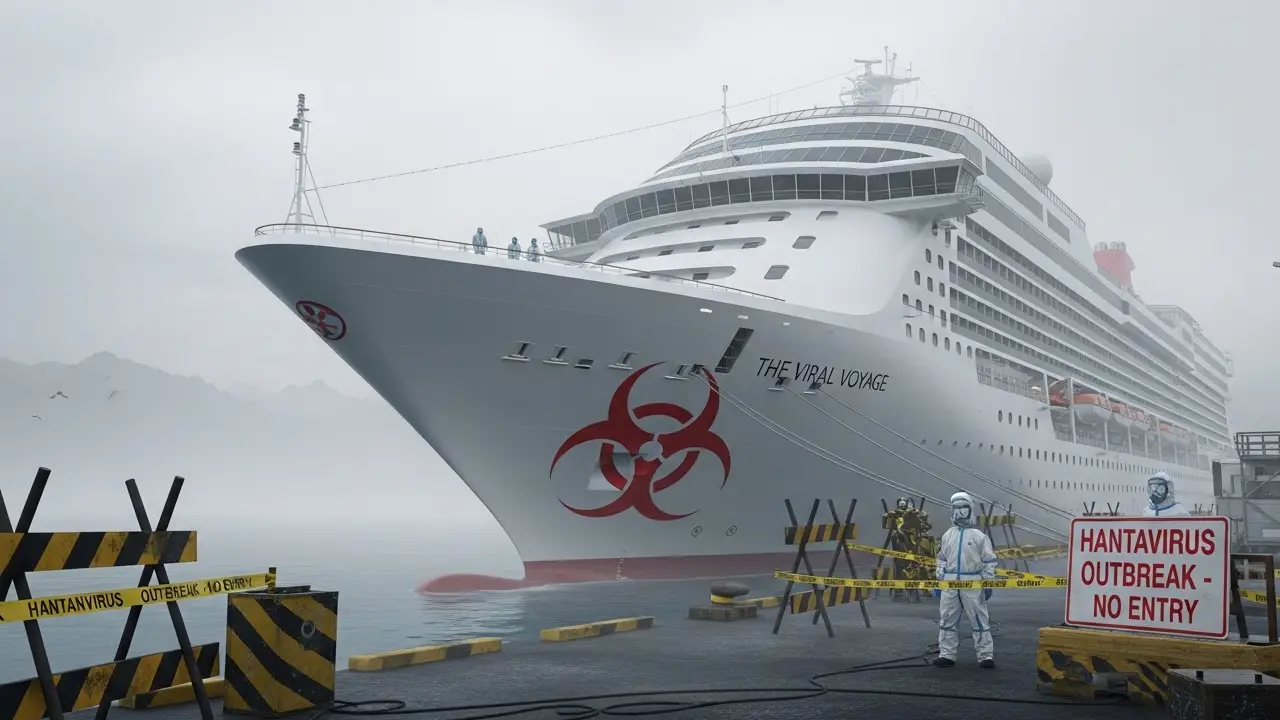
The recent reports of a hantavirus outbreak cruise ship incident have raised serious concerns among travelers and health authorities worldwide. While cruise vacations are generally considered safe and enjoyable, rare health events like this highlight the importance of awareness, hygiene, and preparedness before boarding.
This article provides a detailed, fact-based explanation of hantavirus, how it spreads, what happened in cruise-related cases, and what passengers can do to stay safe. The goal is to offer accurate, helpful, and easy-to-understand information without exaggeration or fear-based claims.
What Is Hantavirus and Why Is It Concerning?
Hantavirus is a group of viruses primarily transmitted through rodents. Humans can become infected through contact with rodent urine, droppings, or saliva, especially when these particles become airborne and are inhaled.

This virus can cause a serious condition known as Hantavirus Pulmonary Syndrome (HPS), which affects the lungs and can lead to breathing difficulties. Although cases are rare, the illness can be severe if not treated early.
Understanding the Cruise Ship Connection
When discussing a hantavirus outbreak cruise ship, it is important to clarify that cruise ships themselves are not typical sources of hantavirus. Instead, outbreaks may be linked to specific situations, such as contaminated storage areas, port stops, or supply chains where rodents are present.
In reported cases, investigations often focus on areas like cargo zones, food storage, or docking locations where rodents might gain access. Cruise operators usually follow strict sanitation protocols, which significantly reduce the risk of widespread infection onboard.
How Hantavirus Spreads in Travel Environments
Unlike many common travel illnesses, hantavirus does not spread from person to person in most cases. Instead, infection occurs through environmental exposure.
Here are the primary ways the virus can spread:
- Inhaling air contaminated with rodent droppings or urine
- Touching contaminated surfaces and then touching the face
- Consuming food exposed to infected rodents
- Rarely, through rodent bites
On a cruise ship, these risks are typically very low due to strict hygiene standards. However, awareness remains essential, especially during reported incidents.
Symptoms Travelers Should Watch For
Early detection plays a critical role in managing hantavirus infections. Symptoms may appear within one to eight weeks after exposure.
Common symptoms include:
- Fever and chills
- Muscle aches
- Fatigue
- Headaches
- Nausea or vomiting
In more serious cases, symptoms may progress to:
- Shortness of breath
- Fluid buildup in the lungs
- Severe respiratory distress
If any of these symptoms occur after a cruise or travel experience, it is important to seek medical attention promptly.
Safety Measures Taken by Cruise Operators
Cruise lines follow strict international health and sanitation guidelines to ensure passenger safety. In response to any potential hantavirus outbreak cruise ship situation, operators typically take immediate action.
These measures may include:

- Deep cleaning and disinfection of affected areas
- Inspection of food storage and supply zones
- Rodent control and pest management procedures
- Health monitoring of passengers and crew
- Coordination with health authorities
These protocols are designed to contain any risk and prevent further exposure.
How Travelers Can Protect Themselves
While cruise companies take extensive precautions, passengers can also take simple steps to reduce their risk.
Practical safety tips include:
- Wash hands regularly with soap and water
- Avoid consuming food from unknown or unverified sources during port visits
- Keep personal cabins clean and report any hygiene concerns
- Avoid contact with wild animals or rodents during excursions
- Follow all health advisories provided by cruise staff
These basic precautions can significantly reduce the likelihood of infection.
Is It Safe to Travel on Cruise Ships?
Despite occasional reports, cruise travel remains a generally safe option for vacationers. Health incidents like a hantavirus outbreak cruise ship event are rare and typically well-managed by authorities.
Modern cruise ships are equipped with advanced sanitation systems, trained medical staff, and strict safety protocols. Travelers who follow recommended guidelines can enjoy their journey with confidence.
Global Health Monitoring and Response
International health organizations closely monitor outbreaks of infectious diseases, including hantavirus. When a case is reported in a travel setting, rapid response teams work to identify the source and prevent further spread.
This coordinated approach ensures that risks are minimized and that travelers receive accurate information in a timely manner.
Hantavirus Risk vs. Common Travel Illnesses
It is important to put the risk into perspective. Compared to common travel-related illnesses such as seasonal flu or food poisoning, hantavirus infections are extremely rare.
Understanding this distinction helps travelers make informed decisions without unnecessary fear. Awareness is important, but panic is not justified given the low probability of exposure.
Key Facts About Hantavirus
| Category | Details |
|---|---|
| Virus Type | Rodent-borne virus |
| Main Transmission | Inhalation of contaminated particles |
| Human-to-Human Spread | Very rare (mostly not applicable) |
| Common Symptoms | Fever, fatigue, muscle aches |
| Severe Symptoms | Breathing difficulty, lung issues |
| Treatment | Supportive medical care |
| Prevention | Avoid rodent exposure, maintain hygiene |
Conclusion: Stay Informed, Travel Smart
The topic of a hantavirus outbreak cruise ship may sound alarming, but understanding the facts provides clarity and reassurance. These incidents are rare, and when they occur, they are handled with strict safety protocols.
By staying informed, practicing good hygiene, and following official guidance, travelers can continue to enjoy cruise experiences safely and responsibly.