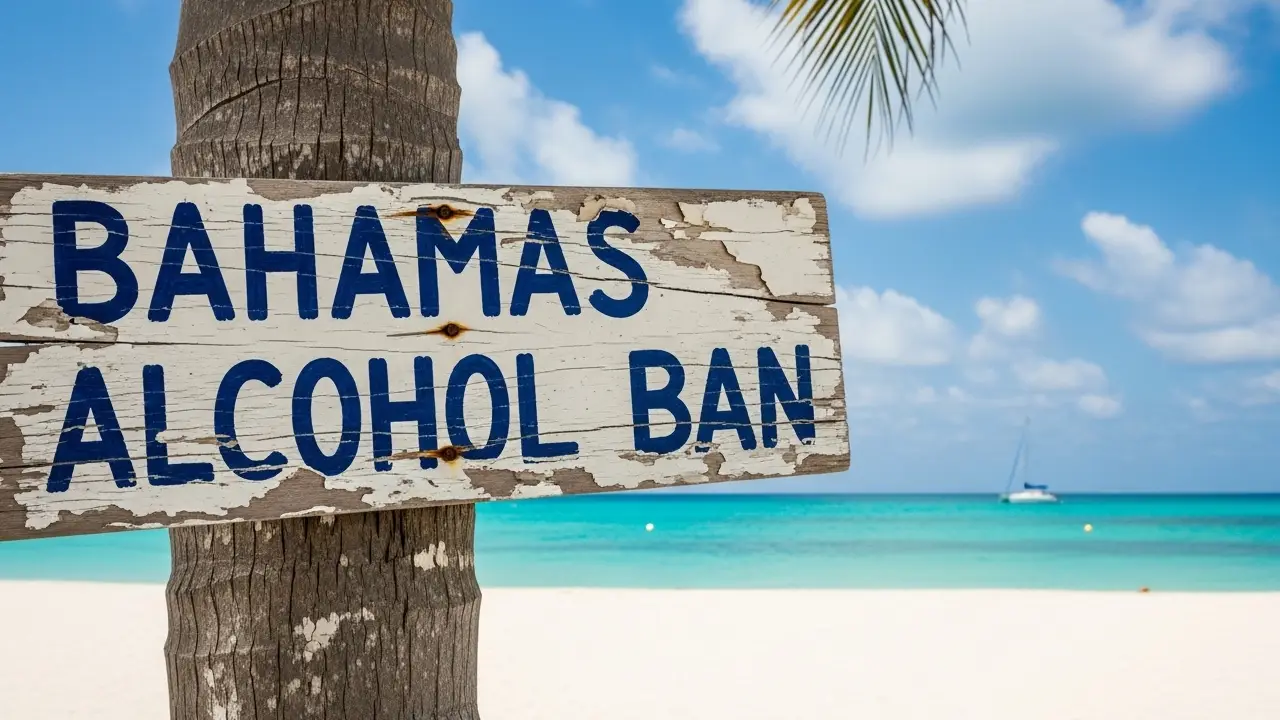
The topic of the Bahamas alcohol ban has gained significant attention in recent times, especially among travelers, residents, and businesses operating in the tourism sector. The Bahamas, known for its vibrant nightlife and luxury tourism, has occasionally implemented restrictions on alcohol sales under specific circumstances. These measures are often temporary and driven by public safety concerns.
Understanding the reasons behind such restrictions, their impact on tourism, and what visitors should expect is essential for anyone planning a trip or following developments in the region. This article provides a detailed and factual breakdown of the situation, ensuring clarity without exaggeration or misinformation.
What Is the Bahamas Alcohol Ban?
The Bahamas alcohol ban refers to temporary government-imposed restrictions on the sale and consumption of alcoholic beverages. These bans are not permanent nationwide laws but are typically enforced during specific events or emergencies.
Authorities in the Bahamas may implement these restrictions during periods such as national elections, public holidays, or times of heightened security concerns. The goal is to maintain order and reduce the risk of alcohol-related incidents.
Why Was the Alcohol Ban Introduced?
The decision to impose an alcohol ban is usually based on public safety considerations. In many cases, such measures are introduced during national elections to prevent unrest and ensure peaceful proceedings.
Government officials believe that limiting alcohol availability can help reduce aggressive behavior, accidents, and disturbances. This approach has been used in various countries as a precautionary step during sensitive periods.
Impact on Tourism and Local Businesses
The Bahamas relies heavily on tourism, and any restriction related to alcohol naturally raises concerns among visitors. Resorts, cruise operators, and nightlife venues may experience temporary disruptions during a ban.
However, it is important to note that these bans are usually short-term. Most tourists visiting outside restricted periods will not experience any limitations. Hotels and resorts often communicate clearly with guests to avoid confusion.
How Long Do Alcohol Bans Typically Last?
In most cases, the Bahamas alcohol ban lasts for a limited period, often ranging from 24 hours to a few days. For example, during election periods, alcohol sales may be prohibited from the evening before voting until polling ends.
These timelines are officially announced in advance, allowing businesses and individuals to prepare accordingly. Once the specified period ends, normal sales and consumption resume.
Rules and Restrictions During the Ban
During an active alcohol ban, the sale of alcoholic beverages is typically restricted across various outlets. This includes liquor stores, bars, restaurants, and sometimes even hotel services.
In some cases, possession and private consumption may still be allowed, but purchasing alcohol during the restricted period is prohibited. It is always advisable to follow official guidelines to avoid penalties.
Penalties for Violating the Alcohol Ban
Violating alcohol restrictions in the Bahamas can lead to fines or legal consequences. Businesses that continue to sell alcohol during a ban may face stricter penalties, including license suspension.
Authorities take enforcement seriously to ensure compliance and maintain public order. Visitors should respect local laws to avoid unnecessary complications during their stay.
How It Affects Travelers
For tourists, the Bahamas alcohol ban may come as a surprise if they are unaware of local regulations. However, since these bans are temporary, most travel plans remain unaffected.
Travelers are encouraged to check official announcements or consult their hotel before arrival. Being informed helps ensure a smooth and enjoyable experience without unexpected disruptions.
Comparison with Other Countries
The Bahamas is not the only country that imposes temporary alcohol restrictions. Several nations implement similar policies during elections or major public events.
These measures are generally aimed at maintaining safety and are not intended to limit personal freedom permanently. In this context, the Bahamas follows a globally recognized approach.
Public Reaction to Alcohol Restrictions
Public response to alcohol bans in the Bahamas has been mixed. While some support the decision for safety reasons, others, particularly business owners, express concerns about economic impact.
Despite differing opinions, these bans are usually accepted as short-term measures that prioritize national stability over temporary inconvenience.
Future Outlook of Alcohol Policies in the Bahamas
Looking ahead, it is unlikely that the Bahamas will implement a permanent nationwide alcohol ban. Instead, authorities are expected to continue using temporary restrictions when necessary.
The focus remains on balancing public safety with economic interests, particularly in a country where tourism plays a vital role.
Overview of Bahamas Alcohol Ban
| Category | Details |
|---|---|
| Type | Temporary Restriction |
| Purpose | Public Safety & Order |
| Duration | Usually 24–72 Hours |
| Affected Areas | Nationwide or Specific Regions |
| Applies To | Bars, Restaurants, Liquor Stores |
| Enforcement | Strict with Fines or Penalties |
Frequently Asked Questions (FAQs)
1. Is alcohol completely banned in the Bahamas?
No, alcohol is not permanently banned. Restrictions are temporary and applied only during specific events or situations.
2. When does the Bahamas alcohol ban usually occur?
It commonly occurs during national elections or special public safety situations.
3. Can tourists still drink alcohol during a ban?
In most cases, purchasing alcohol is restricted, but rules may vary. Visitors should check local guidelines.
4. How can I know if a ban is in effect?
Official government announcements and hotel updates are the best sources of information.
5. Does the ban affect hotel services?
Yes, hotels may also be restricted from serving alcohol depending on the scope of the ban.