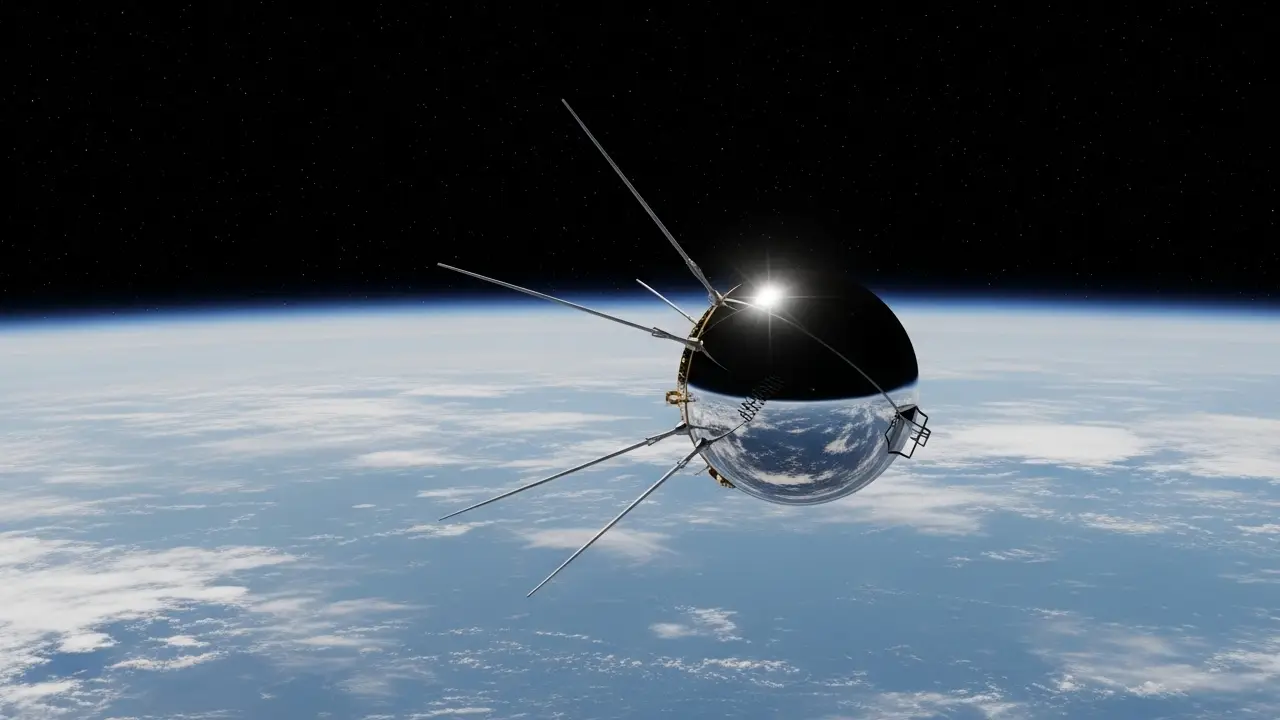
The topic of Russian satellite technology continues to attract global attention due to its role in communication, navigation, defense, and scientific research. Over the years, Russia has maintained a strong presence in space exploration and satellite deployment, building on its historical achievements. Today, Russian satellites serve multiple purposes, from monitoring weather patterns to supporting military operations.
This article provides a comprehensive overview of Russian satellite programs, their evolution, key technologies, recent developments, and their impact on global space activities.
History of Russian Satellite Programs
Russia’s satellite journey began during the Soviet era with the launch of Sputnik 1 in 1957, the world’s first artificial satellite. This historic milestone marked the beginning of space exploration and established the Soviet Union as a leader in space technology.

After the dissolution of the Soviet Union, Russia continued its space programs through organizations like Roscosmos. Despite financial and technological challenges in the early years, the country managed to sustain and modernize its satellite capabilities.
Types of Russian Satellites
Russian satellites are designed for a wide range of applications. Each type plays a vital role in both civilian and strategic operations.
Communication Satellites: These satellites support television broadcasting, internet services, and secure communications across vast regions, including remote areas.
Navigation Satellites: Russia operates the GLONASS system, which provides global positioning services similar to GPS.
Weather Satellites: Meteor series satellites help monitor climate patterns, storms, and environmental changes.
Military Satellites: These are used for surveillance, reconnaissance, and national security purposes.
Latest Russian Satellite Launches and Missions
In recent years, Russia has continued to launch new satellites to strengthen its space infrastructure. These missions focus on improving navigation accuracy, expanding communication networks, and enhancing Earth observation capabilities.
Some of the latest launches include advanced reconnaissance satellites and upgrades to the GLONASS navigation system. These efforts demonstrate Russia’s commitment to maintaining a competitive position in global space operations.
Key Technologies Used in Russian Satellites
Modern Russian satellite systems incorporate advanced technologies to improve performance and reliability.
High-Resolution Imaging: Used in Earth observation satellites for detailed mapping and surveillance.
Secure Communication Systems: Ensure encrypted data transmission for both civilian and military use.
Autonomous Navigation: Allows satellites to operate efficiently with minimal ground intervention.
Energy-Efficient Power Systems: Solar panels and advanced batteries help extend satellite lifespan.
Role of Russian Satellites in Global Space Industry
Russian satellites contribute significantly to the global space ecosystem. They support international collaborations, provide launch services, and share scientific data.
Russia has historically been a key partner in international space missions, including cooperation on the International Space Station (ISS). Its satellite launch capabilities also attract global clients seeking reliable and cost-effective solutions.
Challenges Facing Russian Satellite Programs
Despite its achievements, Russia faces several challenges in maintaining and expanding its satellite programs.

Technological Competition: Countries like the United States and China are rapidly advancing in satellite technology.
Funding Constraints: Budget limitations can affect research and development.
Sanctions and Restrictions: International sanctions have impacted access to certain technologies and partnerships.
However, Russia continues to invest in domestic innovation to overcome these obstacles.
Future of Russian Satellite Technology
The future of Russian satellite systems looks focused on modernization and expansion. Planned developments include next-generation navigation satellites, improved communication networks, and enhanced Earth observation capabilities.
Russia is also exploring new areas such as satellite constellations for broadband internet and deeper space exploration missions. These initiatives aim to strengthen the country’s position in the evolving space industry.
Impact on Communication and Daily Life
Russian satellites play an important role in everyday life, even beyond national borders. They help improve communication services, enable accurate navigation, and support weather forecasting.
For businesses and individuals, these technologies contribute to better connectivity, transportation efficiency, and disaster management systems.
Environmental and Safety Considerations
Like all space-faring nations, Russia faces challenges related to space debris and satellite sustainability. Efforts are being made to design satellites with controlled de-orbiting systems to reduce orbital congestion.
Ensuring safe and responsible use of space remains a priority for long-term satellite operations.
Modern Russian Satellites
| Feature | Details |
|---|---|
| Orbit Type | Low Earth Orbit (LEO), Medium Earth Orbit (MEO), Geostationary Orbit (GEO) |
| Purpose | Communication, Navigation, Weather Monitoring, Defense |
| Power Source | Solar Panels with Backup Batteries |
| Lifespan | 5 to 15 Years Depending on Mission Type |
| Key System | GLONASS Navigation Network |
| Launch Vehicles | Soyuz, Proton, Angara Rockets |
Conclusion
The Russian satellite program remains an important part of the global space landscape. With a strong historical foundation and ongoing advancements, Russia continues to contribute to communication, navigation, and scientific research.
While challenges exist, the country’s focus on innovation and modernization ensures that its satellite systems will remain relevant in the future. Understanding these developments helps provide insight into how space technology shapes our world.
FAQs About Russian Satellite
1. What is the Russian satellite system used for?
Russian satellites are used for communication, navigation (GLONASS), weather monitoring, and defense purposes.
2. What is GLONASS?
GLONASS is Russia’s global navigation satellite system, similar to GPS, providing positioning and timing services worldwide.
3. How long do Russian satellites last?
Most Russian satellites have a lifespan ranging from 5 to 15 years, depending on their mission and design.
4. Are Russian satellites used internationally?
Yes, Russian satellites support global navigation, communication, and international space collaborations.
5. What challenges does Russia face in satellite technology?
Russia faces challenges such as global competition, funding limitations, and restrictions on access to certain technologies.