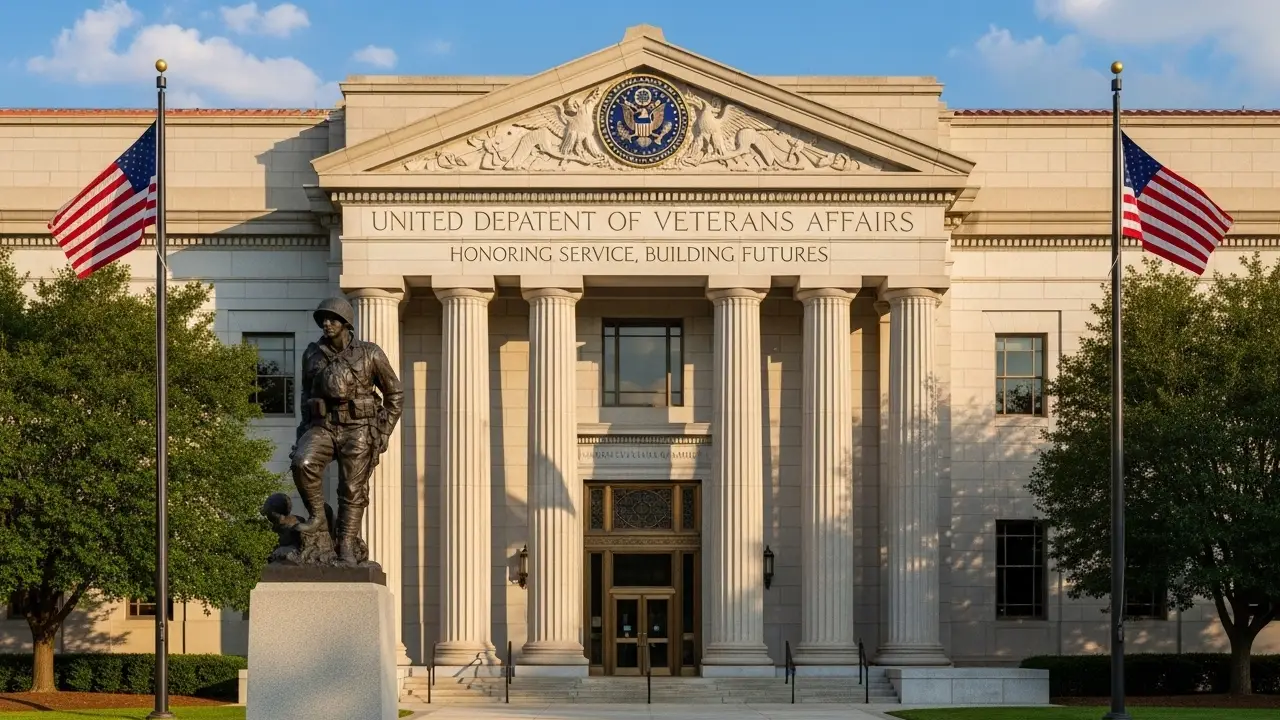
The United States Department of Veterans Affairs (VA) plays a vital role in supporting millions of military veterans and their families across the country. Established to provide comprehensive care and assistance, the VA focuses on healthcare services, financial benefits, education support, and memorial services. For individuals who have served in the armed forces, understanding the scope and function of this department is essential.
This article provides a detailed, clear, and informative overview of the United States Department of Veterans Affairs, including its services, structure, benefits, and how veterans can access its programs. The aim is to offer reliable and practical information in a simple and reader-friendly way.
What Is the United States Department of Veterans Affairs?
The United States Department of Veterans Affairs is a federal government agency responsible for providing essential services to eligible military veterans. It was established in 1930 and later became a cabinet-level department in 1989. The VA is dedicated to ensuring that veterans receive proper medical care, financial assistance, and support for their transition to civilian life.

The department operates one of the largest healthcare systems in the world and serves millions of veterans annually. Its mission focuses on honoring service members by offering benefits that improve their quality of life.
Main Functions of the VA
The United States Department of Veterans Affairs operates through three primary divisions, each responsible for different services. These divisions ensure that veterans receive comprehensive support tailored to their needs.
The three main branches are Veterans Health Administration (VHA), Veterans Benefits Administration (VBA), and National Cemetery Administration (NCA). Together, they provide healthcare, financial benefits, and memorial services.
Veterans Health Administration (VHA)
The Veterans Health Administration is the largest integrated healthcare system in the United States. It provides medical care through hospitals, clinics, and community-based facilities.
Services include primary care, mental health support, specialized treatments, rehabilitation programs, and preventive care. The VHA focuses on treating service-related injuries and long-term conditions that affect veterans.
Veterans Benefits Administration (VBA)
The Veterans Benefits Administration manages a wide range of financial and support programs for veterans and their families. These benefits help individuals maintain stability after leaving military service.
Programs include disability compensation, pension plans, education assistance such as the GI Bill, home loan guarantees, and vocational training opportunities.
National Cemetery Administration (NCA)
The National Cemetery Administration ensures that veterans receive honorable burial services. It manages national cemeteries and provides burial benefits, including headstones, markers, and memorial services.
This division reflects the nation’s commitment to honoring those who have served by preserving their legacy with dignity and respect.
Key Benefits Offered by the VA
The United States Department of Veterans Affairs offers a wide range of benefits designed to support veterans in different aspects of life. These benefits vary based on service history, disability status, and eligibility requirements.
Some of the most important benefits include healthcare services, disability compensation, education programs, housing assistance, and insurance coverage.
Healthcare Services for Veterans
Healthcare is one of the most significant services provided by the VA. Eligible veterans can receive medical treatment at VA hospitals and clinics across the country.
Services include routine check-ups, emergency care, mental health counseling, surgical procedures, and long-term care. The VA also offers telehealth services to improve accessibility for veterans living in remote areas.
Disability Compensation
Veterans who have injuries or illnesses related to their military service may qualify for disability compensation. This is a tax-free monthly payment that helps cover living expenses.

The amount depends on the severity of the disability and its impact on daily life. Additional benefits may be available for dependents.
Education and Training Programs
The VA provides education support through programs like the GI Bill, which helps veterans pay for college, training, and certification courses.
These programs aim to ease the transition into civilian careers by offering financial assistance for tuition, housing, and educational materials.
Home Loan Benefits
The VA offers home loan programs that make it easier for veterans to buy, build, or refinance homes. These loans often come with lower interest rates and do not require a down payment in many cases.
This benefit helps veterans achieve financial stability and homeownership without significant upfront costs.
VA Insurance Programs
The United States Department of Veterans Affairs also provides life insurance options tailored to veterans and their families. These programs offer financial security and peace of mind.
Coverage options include service-disabled insurance, family coverage, and mortgage protection plans.
Eligibility for VA Benefits
Eligibility for VA benefits depends on several factors, including length of service, discharge status, and specific program requirements.
Generally, individuals who served in active military service and were discharged under conditions other than dishonorable may qualify for benefits. Each program has its own criteria, so it is important to review eligibility guidelines carefully.
How to Apply for VA Benefits
Applying for benefits through the United States Department of Veterans Affairs can be done online, by mail, or in person at a VA office.
Applicants need to provide documentation such as service records, medical reports, and personal identification. The VA also offers assistance through representatives who help guide applicants through the process.
Challenges and Improvements
While the VA provides essential services, it has faced challenges such as long wait times and administrative delays. Over the years, efforts have been made to improve efficiency and expand access to care.
Recent developments include digital services, telehealth options, and streamlined application processes to better serve veterans.
Specifications of the United States Department of Veterans Affairs
| Category | Details |
|---|---|
| Established | 1930 (Cabinet-level in 1989) |
| Headquarters | Washington, D.C., United States |
| Main Divisions | VHA, VBA, NCA |
| Primary Services | Healthcare, Benefits, Memorial Services |
| Target Group | Military Veterans and Families |
| Healthcare System | Largest integrated system in the U.S. |
| Key Programs | GI Bill, Disability Compensation, VA Loans |
Conclusion
The United States Department of Veterans Affairs is a critical institution that ensures veterans receive the support and recognition they deserve. From healthcare to financial assistance and education, the VA offers comprehensive programs that address the diverse needs of former service members.
Understanding how the VA operates and what benefits it provides can help veterans make informed decisions and access the resources available to them. As the department continues to evolve, its goal remains focused on improving the lives of those who have served the nation.