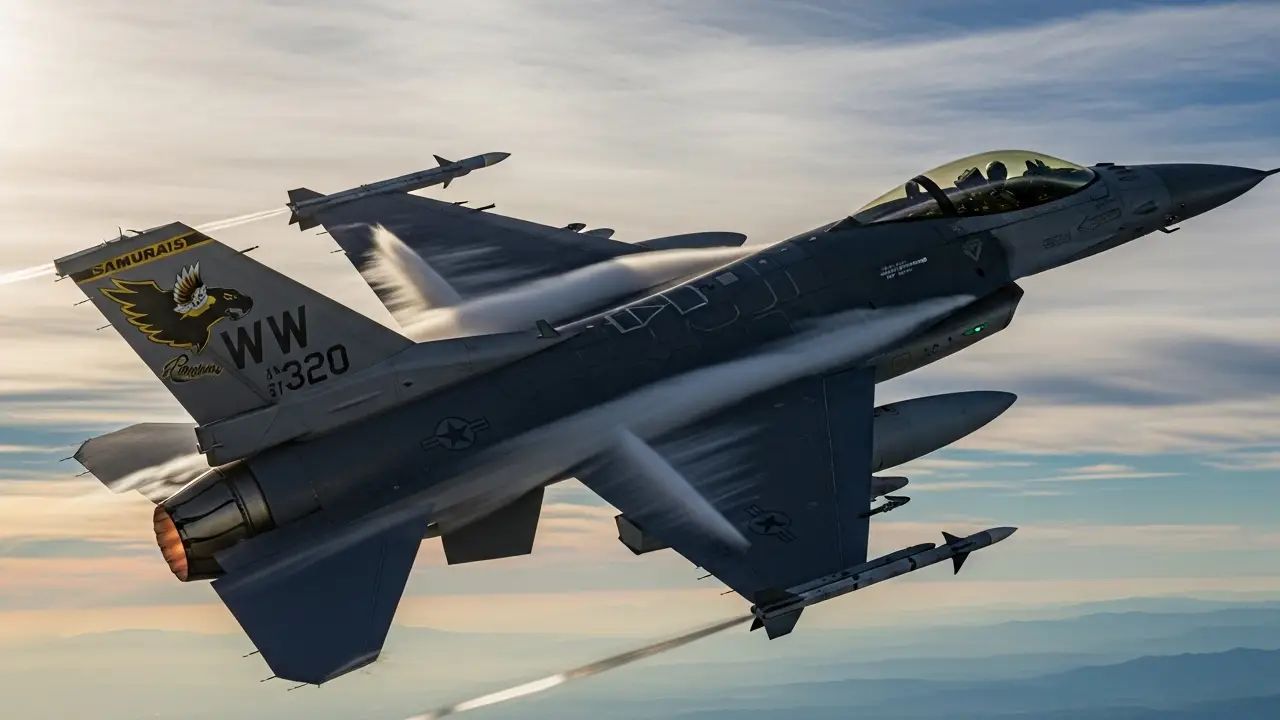
The 35th Fighter Wing plays a vital role in maintaining stability and security in the Indo-Pacific region. Stationed at Misawa Air Base in Japan, this unit is a key part of the United States Air Force’s forward presence. Its mission focuses on combat readiness, rapid response, and strong partnerships with allied forces.
With modern fighter aircraft, highly trained personnel, and a strategic geographic location, the wing contributes significantly to regional defense. This article explores its mission, structure, aircraft, and operational importance in a detailed and easy-to-understand way.

Overview of the 35th Fighter Wing
The 35th Fighter Wing is a combat-ready unit of the U.S. Air Force assigned to the Pacific Air Forces (PACAF). It operates from Misawa Air Base, located in northern Japan. This location allows rapid deployment across the Indo-Pacific region.
The wing’s primary mission is to project airpower, deter aggression, and support allied operations. It also plays a role in humanitarian assistance and disaster response when needed.
Mission and Core Responsibilities
The mission of the 35th Fighter Wing focuses on maintaining operational readiness and ensuring regional stability. The unit is prepared to respond quickly to potential threats or emergencies.
Its key responsibilities include:
- Providing air superiority and precision strike capabilities
- Supporting joint and allied military operations
- Conducting training exercises to improve readiness
- Strengthening international partnerships
Aircraft and Technology
The 35th Fighter Wing primarily operates the F-16 Fighting Falcon, a versatile and widely used multirole fighter aircraft. Known for its speed and agility, the F-16 is capable of both air-to-air combat and air-to-ground missions.
These aircraft are equipped with advanced avionics, precision-guided weapons, and modern radar systems. This ensures the wing can perform effectively in complex combat environments.
Squadrons Under the 35th Fighter Wing
The wing consists of multiple squadrons, each with specific roles. These squadrons work together to ensure smooth operations and mission success.
Key units include:
- 13th Fighter Squadron – Known as the “Panthers,” focused on combat missions
- 14th Fighter Squadron – Known as the “Samurais,” specializing in precision strike
- 35th Maintenance Group – Responsible for aircraft maintenance and readiness
- 35th Mission Support Group – Handles logistics, security, and base operations
Strategic Importance of Misawa Air Base
Misawa Air Base is a critical location for U.S. military operations in Asia. Its position allows the 35th Fighter Wing to respond quickly to regional situations, including those involving allies like Japan and South Korea.
The base also hosts joint operations with the Japan Air Self-Defense Force, enhancing coordination and interoperability between the two nations.

Training and Readiness Programs
Continuous training is a core part of the 35th Fighter Wing’s success. Pilots and support personnel regularly participate in exercises designed to simulate real-world combat scenarios.
These programs help maintain high levels of readiness and ensure that the unit can operate effectively under pressure. Joint exercises with allied forces further improve coordination and communication.
Role in Regional Security
The 35th Fighter Wing contributes to maintaining peace and stability in the Indo-Pacific. Its presence acts as a deterrent against potential threats and reassures allies of U.S. commitment to regional security.
By participating in multinational exercises and operations, the wing strengthens diplomatic and military ties. This cooperative approach supports long-term stability in the region.
Humanitarian and Disaster Response Efforts
In addition to combat missions, the 35th Fighter Wing supports humanitarian operations. During natural disasters, the unit can provide airlift support, medical assistance, and logistical aid.
This capability highlights the flexibility of the wing and its ability to respond to both military and civilian needs.
Specifications of 35th Fighter Wing Aircraft (F-16 Fighting Falcon)
| Feature | Details |
|---|---|
| Aircraft Type | F-16 Fighting Falcon |
| Role | Multirole Fighter |
| Max Speed | Mach 2 (approx. 2,414 km/h) |
| Range | Over 4,200 km with external fuel |
| Weapons | Air-to-air missiles, bombs, cannon |
| Avionics | Advanced radar and targeting systems |
Future Outlook of the 35th Fighter Wing
The 35th Fighter Wing continues to evolve with advancements in military technology and changing global dynamics. Upgrades in aircraft systems, training methods, and operational strategies are expected to enhance its capabilities.
As the Indo-Pacific remains a key region for global security, the wing will likely maintain its important role in ensuring stability and supporting allied forces.
Conclusion
The 35th Fighter Wing stands as a critical component of U.S. military presence in the Indo-Pacific. With its advanced aircraft, skilled personnel, and strategic location, it plays a key role in defense, deterrence, and cooperation.
Its commitment to readiness, partnership, and adaptability ensures that it remains an essential force for maintaining regional peace and security.