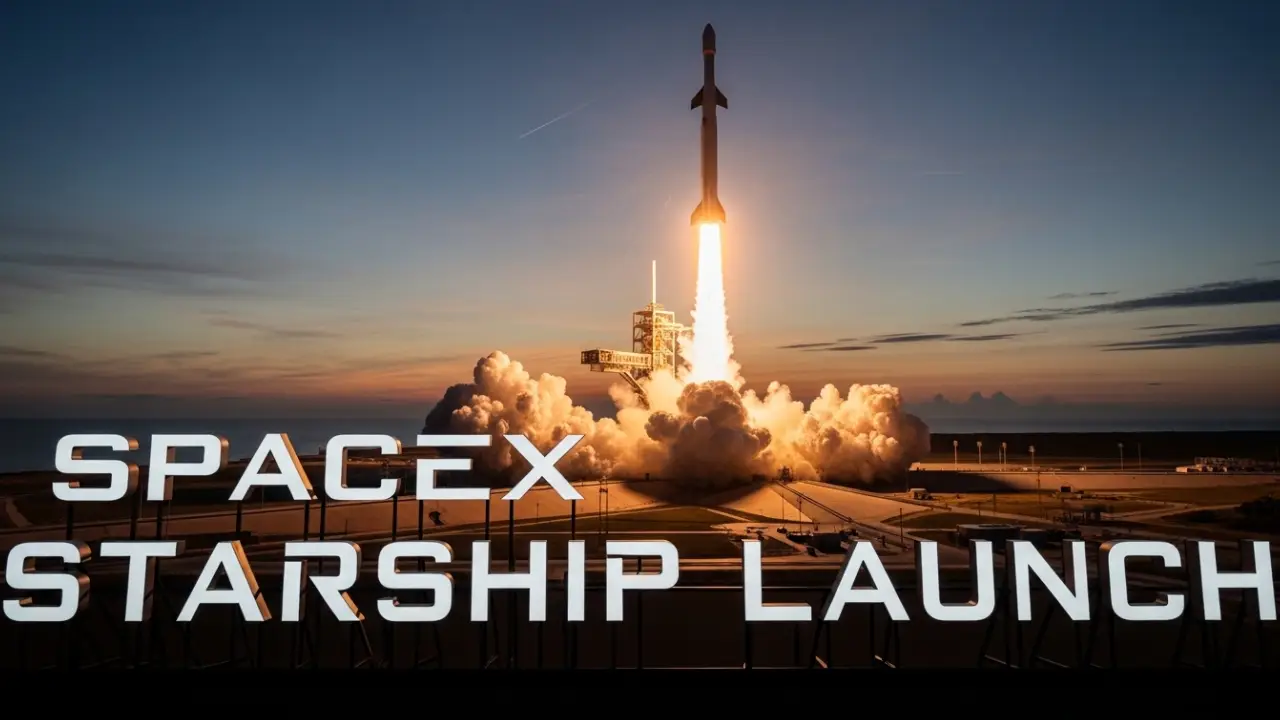
The SpaceX Starship launch has become one of the most talked-about developments in modern space exploration. Designed to revolutionize how humans travel beyond Earth, Starship represents a major step toward missions to the Moon, Mars, and potentially even deeper into space. With each launch attempt, engineers gather valuable data to refine this next-generation spacecraft.
This article explains what Starship is, how it works, why it matters, and what the latest updates mean for the future of space travel. Whether you are a space enthusiast or simply curious about technological progress, this guide provides clear and detailed insights.
What is SpaceX Starship?
SpaceX Starship is a fully reusable spacecraft system developed to carry both crew and cargo. It consists of two main components: the Super Heavy booster and the Starship spacecraft itself. Together, they form the most powerful launch system ever built.

The primary goal of Starship is to reduce the cost of space travel while increasing payload capacity. Unlike traditional rockets that are discarded after use, Starship is designed to land safely and be reused multiple times, making it more efficient and cost-effective.
Key Features of Starship
One of the biggest reasons the SpaceX Starship launch is so important lies in its advanced features. These innovations set it apart from previous rocket systems.
Starship is powered by Raptor engines that use liquid methane and liquid oxygen. This fuel combination is not only efficient but also supports future missions where fuel could potentially be produced on Mars. Additionally, the stainless steel structure enhances durability during extreme temperatures and re-entry.
Why the Starship Launch Matters
The significance of the SpaceX Starship launch goes beyond just another rocket test. It represents a shift toward long-term human space exploration.
Starship is expected to play a key role in future lunar missions, including NASA’s Artemis program. It is also central to plans for establishing a human presence on Mars. By making space travel more affordable, it opens the door for scientific research, commercial opportunities, and possibly even space tourism.
Latest Updates on Starship Launch Tests
Recent SpaceX Starship launch tests have shown both progress and challenges. Each test flight is designed to evaluate different aspects of the system, from liftoff performance to re-entry and landing capabilities.
While some launches have ended in explosions or partial failures, these outcomes are part of the development process. Engineers analyze the data from each test to improve the design and increase reliability for future missions.
How Starship Launch Works
The SpaceX Starship launch process involves multiple stages. First, the Super Heavy booster lifts the spacecraft off the ground with immense thrust. After reaching a certain altitude, the booster separates and begins its return to Earth.
Meanwhile, the Starship spacecraft continues its journey into space. After completing its mission, it re-enters the atmosphere and performs a controlled landing. This entire sequence is designed to maximize reusability and reduce waste.
Future Missions Planned for Starship
Looking ahead, the SpaceX Starship launch will support several ambitious missions. These include sending astronauts back to the Moon and eventually transporting humans to Mars.
There are also plans for commercial satellite deployment, deep-space research missions, and even point-to-point travel on Earth. The versatility of Starship makes it a cornerstone of future space infrastructure.

Challenges Facing Starship Development
Despite its promise, the SpaceX Starship launch program faces several challenges. Developing a fully reusable system at this scale is complex and requires continuous testing and refinement.
Technical issues, regulatory approvals, and environmental concerns are all factors that can affect launch timelines. However, ongoing improvements and successful test milestones indicate steady progress.
Environmental and Safety Considerations
Each SpaceX Starship launch is closely monitored for environmental impact and safety. Launch operations must comply with strict regulations to ensure minimal harm to surrounding ecosystems.
SpaceX continues to work with regulatory agencies to address concerns and improve safety measures. The goal is to balance innovation with responsible development.
SpaceX Starship
| Specification | Details |
|---|---|
| Height | Approximately 120 meters (with booster) |
| Payload Capacity | Up to 100+ tons to orbit |
| Engines | Raptor engines |
| Fuel Type | Liquid methane and liquid oxygen |
| Reusability | Fully reusable system |
| Primary Purpose | Deep space missions and cargo transport |
Conclusion
The SpaceX Starship launch is shaping the future of space exploration. With its reusable design, powerful engines, and ambitious mission goals, it represents a major leap forward in technology. Although challenges remain, ongoing testing continues to bring Starship closer to operational readiness.
As development progresses, Starship could redefine how humanity explores space, making it more accessible and sustainable. The coming years will be crucial in determining its success and long-term impact.
FAQs About SpaceX Starship Launch
1. What is the purpose of the SpaceX Starship launch?
The main purpose is to develop a reusable spacecraft for missions to the Moon, Mars, and beyond, while reducing the cost of space travel.
2. Is Starship fully reusable?
Yes, both the booster and spacecraft are designed to be reused multiple times after landing.
3. Why do some Starship launches fail?
Test launches are part of development. Failures provide valuable data to improve design and performance.
4. When will Starship be used for human missions?
Human missions are planned in the future, but timelines depend on successful testing and regulatory approvals.
5. How is Starship different from other rockets?
Starship offers higher payload capacity, full reusability, and advanced fuel technology compared to traditional rockets.