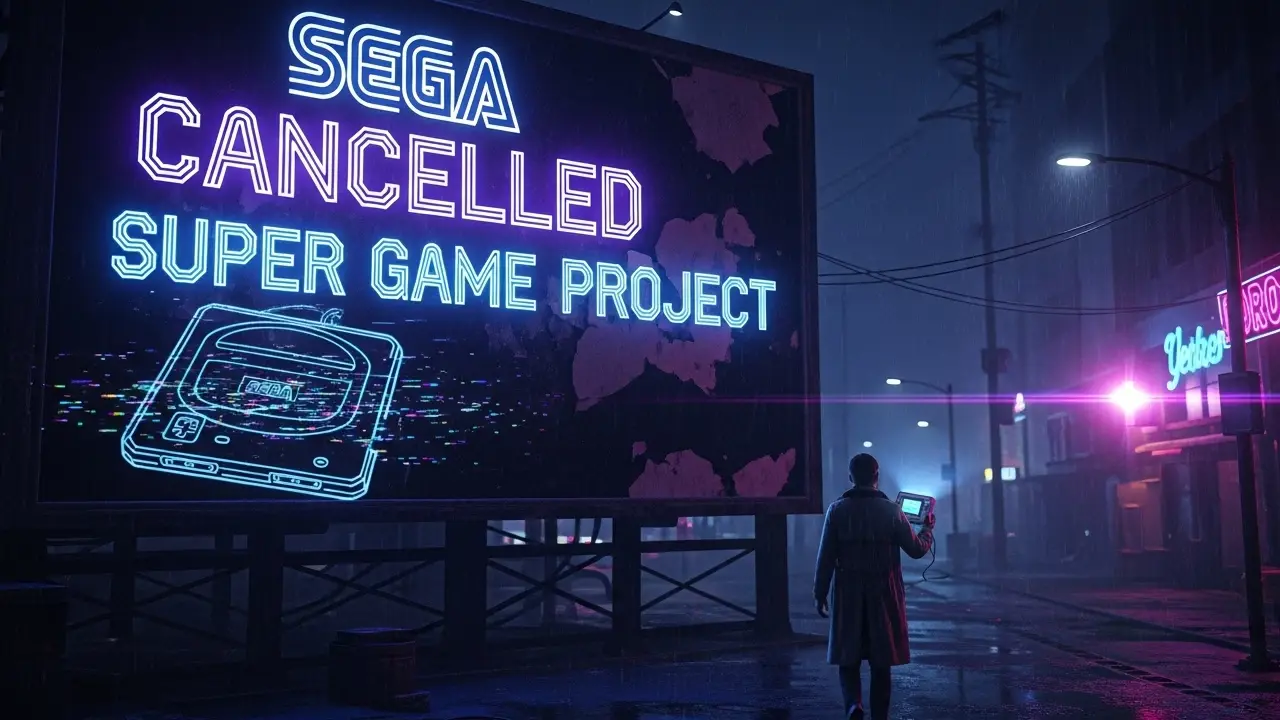
The gaming industry has been buzzing with discussions after reports surfaced about the Sega cancelled Super Game project. Initially announced as a bold and ambitious initiative, this project was expected to redefine large-scale gaming experiences. However, recent developments suggest that Sega has quietly stepped back from some parts of this vision, leaving fans and analysts questioning what went wrong.
This article explores the background of the Super Game concept, reasons behind its cancellation, and how it may impact Sega’s future strategy in the competitive gaming market.
What Was Sega’s Super Game Project?
The Super Game project was introduced by Sega as a multi-year initiative aimed at creating a new generation of blockbuster titles. The company envisioned interconnected games built on large-scale budgets, cutting-edge technology, and potentially cloud-based ecosystems.

Unlike traditional standalone titles, Sega’s concept focused on creating long-lasting gaming platforms. These games were expected to evolve over time, offering continuous content updates, online interactions, and cross-platform accessibility.
Why Sega Cancelled Super Game Project Components
While Sega has not publicly disclosed every detail, several industry factors likely contributed to the decision. The Sega cancelled Super Game project narrative appears to stem from a combination of financial, technical, and strategic challenges.
One key issue is the rising cost of AAA game development. Large-scale projects require significant investment, and returns are not always guaranteed. In an increasingly competitive market, companies must carefully balance innovation with financial sustainability.
Another factor is shifting player preferences. Gamers today demand quality, stability, and engaging content rather than just large-scale ambition. If a project fails to meet expectations during development, companies may choose to cancel or restructure it.
Impact on Sega’s Development Strategy
The decision to scale back or cancel parts of the Super Game initiative does not mean Sega is stepping away from innovation. Instead, it suggests a shift toward more focused and manageable projects.
Sega has a strong portfolio of successful franchises, and the company may now prioritize enhancing these titles rather than investing heavily in risky large-scale experiments. This approach can help maintain consistent revenue while still allowing room for creative development.
How This Affects Upcoming Sega Titles
Fans concerned about upcoming releases can remain cautiously optimistic. The Sega cancelled Super Game project does not necessarily impact all future games. Many titles already in development are likely to continue as planned.
However, players may notice a shift in design philosophy. Instead of massive interconnected worlds, Sega might focus on delivering polished, standalone experiences with optional online features.
Industry Reaction to the Cancellation
The gaming industry has responded with mixed opinions. Some analysts view the move as a practical decision, emphasizing the importance of sustainable development. Others see it as a missed opportunity for innovation.
It is important to note that many large-scale gaming projects face challenges during development. Cancellation or restructuring is not uncommon, especially when companies reassess their long-term strategies.
Lessons from the Super Game Project
The situation highlights several key lessons for the gaming industry. First, ambition must be balanced with feasibility. Large-scale projects can generate excitement, but they also carry significant risks.

Second, understanding player expectations is crucial. Modern gamers prioritize gameplay quality, performance, and value for money over sheer scale.
Future of Sega After the Cancellation
Despite the setback, Sega remains a strong player in the gaming industry. The company continues to invest in new technologies, partnerships, and creative ideas.
The Sega cancelled Super Game project may ultimately lead to a more refined strategy, focusing on delivering high-quality experiences rather than overly ambitious concepts.
Overview of the Super Game Concept
| Feature | Details |
|---|---|
| Project Name | Super Game Initiative |
| Developer | Sega |
| Concept | Large-scale interconnected games |
| Focus | Online ecosystem and evolving content |
| Status | Partially cancelled / restructured |
| Reason | Financial, technical, and strategic challenges |
What Gamers Should Expect Moving Forward
Players can expect Sega to continue delivering engaging games, though possibly with a different approach. Instead of focusing on massive interconnected systems, future titles may prioritize storytelling, gameplay mechanics, and user experience.
This shift could result in more consistent releases and improved quality, which ultimately benefits the gaming community.
Conclusion
The Sega cancelled Super Game project marks a significant moment in the company’s recent history. While it may appear as a setback, it also reflects a strategic adjustment in response to industry realities.
By focusing on sustainable development and player expectations, Sega has the opportunity to strengthen its position in the gaming market and deliver high-quality experiences in the years ahead.
FAQs
1. What was Sega’s Super Game project?
It was a large-scale initiative aimed at creating interconnected, evolving gaming experiences with advanced technology.
2. Why did Sega cancel the Super Game project?
The decision likely involved financial risks, development challenges, and changing market conditions.
3. Will this affect upcoming Sega games?
Most ongoing projects are expected to continue, though the design approach may change.
4. Is Sega still developing new games?
Yes, Sega remains active and continues to work on new titles and innovations.
5. What does this mean for gamers?
Gamers may see more focused, polished games instead of large experimental projects.