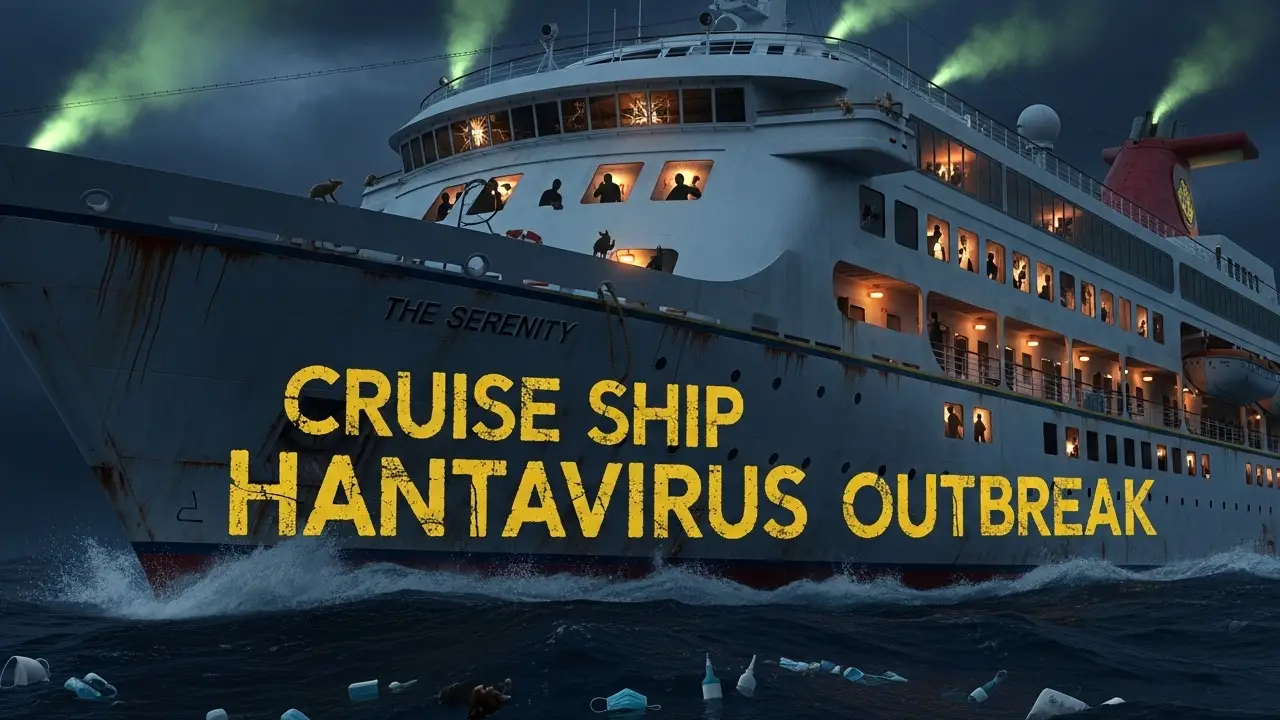
The recent reports surrounding a cruise ship hantavirus outbreak have raised concerns among travelers worldwide. Cruise vacations are often associated with comfort and luxury, but health safety remains a critical factor. Understanding what hantavirus is, how outbreaks occur, and what precautions travelers should take is essential for making informed decisions before boarding a cruise.
This article provides a detailed, factual, and easy-to-understand overview of hantavirus risks on cruise ships, recent developments, and practical safety measures for passengers.
What Is Hantavirus and Why It Matters
Hantavirus is a rare but serious virus typically transmitted through contact with infected rodents, particularly their urine, droppings, or saliva. Unlike common viral infections, hantavirus does not usually spread from person to person, making it different from illnesses like influenza or COVID-19.

The disease can lead to severe respiratory conditions such as Hantavirus Pulmonary Syndrome (HPS), which can become life-threatening if not treated promptly. Symptoms often begin with fatigue, fever, and muscle aches before progressing to breathing difficulties.
How Did the Cruise Ship Hantavirus Outbreak Happen?
Reports of a cruise ship hantavirus outbreak are uncommon but not impossible. Such incidents typically occur due to environmental factors rather than onboard transmission between passengers. In most cases, exposure happens when rodents gain access to storage areas, food supplies, or less frequently used parts of the ship.
On large vessels, maintaining strict hygiene and pest control standards is critical. Even a small lapse in sanitation or unnoticed rodent activity can create conditions where the virus becomes a risk.
Symptoms of Hantavirus Infection
Recognizing early symptoms is crucial for timely medical intervention. Symptoms usually appear within one to eight weeks after exposure.
Common symptoms include:
- Fever and chills
- Muscle aches, especially in large muscle groups
- Headaches
- Nausea or vomiting
- Abdominal pain
As the condition progresses, more severe symptoms may develop, including shortness of breath and fluid buildup in the lungs. Immediate medical attention is necessary if respiratory symptoms appear.
Is It Safe to Travel on Cruise Ships Right Now?
Despite concerns about a cruise ship hantavirus outbreak, such events remain extremely rare. Cruise lines generally follow strict international health and sanitation regulations. Regular inspections, pest control measures, and hygiene protocols significantly reduce risks.
Travelers should not panic but remain informed. Checking cruise line safety policies, recent inspection reports, and health advisories before booking can help ensure a safer travel experience.
Preventive Measures for Cruise Travelers
Passengers can take simple precautions to minimize any health risks while traveling:
- Maintain personal hygiene: Wash hands frequently with soap and water.
- Avoid contact with rodents: Report any sightings immediately to ship staff.
- Store food properly: Do not leave food exposed in cabins.
- Keep cabins clean: Dispose of waste properly and avoid clutter.
- Follow health advisories: Pay attention to onboard announcements and guidelines.
These steps can significantly reduce the risk of exposure not only to hantavirus but also to other infections.
How Cruise Lines Handle Health Risks
Cruise companies invest heavily in maintaining passenger safety. Measures typically include:
- Routine pest control inspections
- Strict sanitation protocols
- Food safety monitoring
- Onboard medical facilities with trained staff
- Emergency response plans
In the rare event of a suspected cruise ship hantavirus outbreak, immediate action is taken, including isolating affected areas, conducting deep cleaning, and coordinating with health authorities.

What To Do If You Feel Sick During a Cruise
If you experience symptoms while onboard, it is important to act quickly:
Visit the ship’s medical center immediately and inform healthcare staff about your symptoms. Early diagnosis can improve outcomes significantly. Avoid self-medication without professional advice, as hantavirus symptoms can resemble other illnesses.
Passengers are encouraged to report symptoms honestly to protect both themselves and others.
Global Health Monitoring and Cruise Safety
Health organizations and maritime authorities continuously monitor disease outbreaks worldwide. Cruise ships must comply with international guidelines to operate, ensuring passenger safety is a top priority.
Modern ships are equipped with advanced sanitation systems, and crew members receive regular training to handle health emergencies effectively.
Cruise Ship Health & Safety Measures
| Feature | Details |
|---|---|
| Sanitation Protocols | Daily cleaning, disinfecting high-touch areas |
| Pest Control | Routine inspections and preventive treatments |
| Medical Facilities | Onboard clinics with trained doctors and nurses |
| Food Safety | Strict storage and preparation guidelines |
| Health Monitoring | Passenger screening and reporting systems |
Final Thoughts on Cruise Ship Hantavirus Outbreak
While the idea of a cruise ship hantavirus outbreak may sound alarming, it is important to understand that such cases are extremely rare and usually preventable. With proper awareness, hygiene, and adherence to safety guidelines, cruise travel remains a safe and enjoyable experience for most passengers.
Travelers should stay informed, follow recommended precautions, and choose reputable cruise operators that prioritize health and safety.
FAQs About Cruise Ship Hantavirus Outbreak
1. Can hantavirus spread from person to person on a cruise ship?
No, hantavirus is primarily transmitted through contact with infected rodents, not between people.
2. How common is a cruise ship hantavirus outbreak?
Such outbreaks are extremely rare and not a common concern in cruise travel.
3. What should I do if I see a rodent on a cruise ship?
Immediately report it to the ship’s staff so they can take appropriate action.
4. Are cruise ships regularly inspected for health safety?
Yes, cruise ships undergo regular inspections and must follow strict international health standards.
5. Should I cancel my cruise due to hantavirus concerns?
In most cases, there is no need to cancel. Staying informed and following safety precautions is usually sufficient.