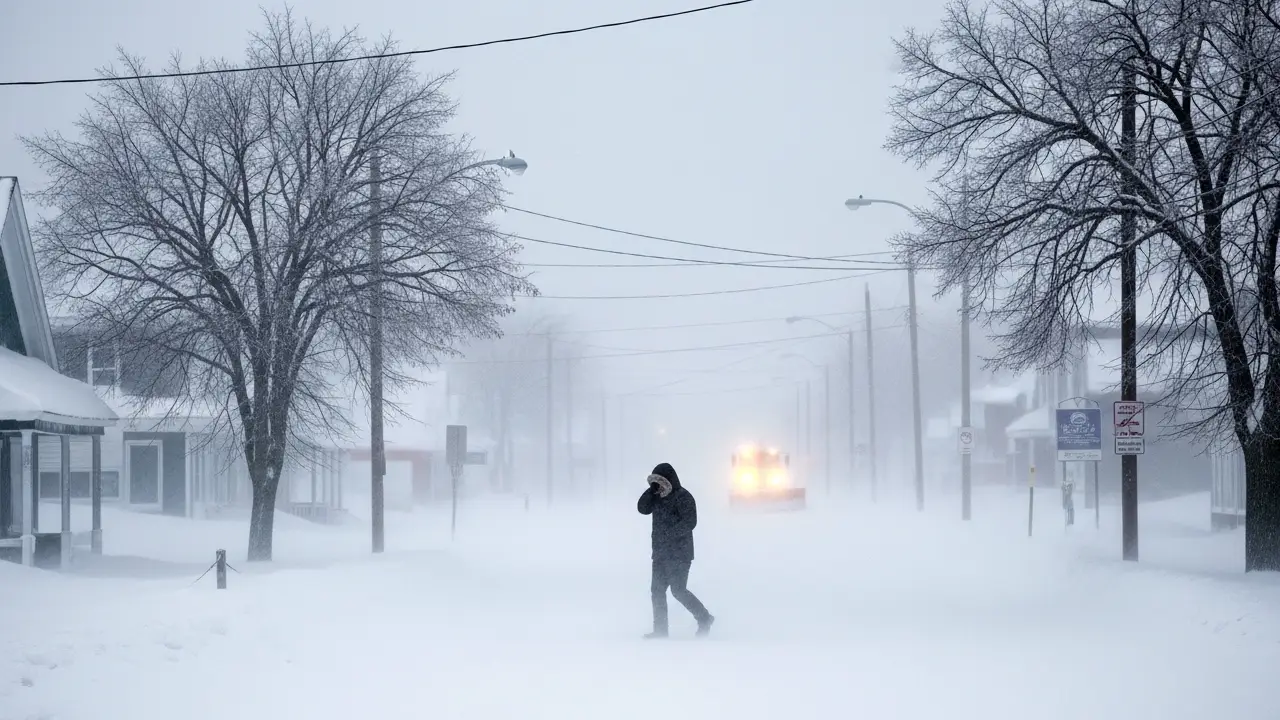
A winter storm is one of the most powerful and disruptive weather events that can affect daily life. From heavy snowfall and freezing rain to strong winds and dangerously low temperatures, winter storms can create hazardous conditions for transportation, infrastructure, and personal safety. Understanding how these storms form, their potential impacts, and how to prepare for them is essential for staying safe during the colder months.
This article provides a detailed and practical guide to winter storms, including their causes, types, effects, and proven safety strategies. Whether you live in a region frequently affected by snow or are simply preparing for seasonal changes, this guide will help you stay informed and ready.
What Is a Winter Storm?
A winter storm refers to a weather event that produces significant precipitation in the form of snow, sleet, or freezing rain. These storms often occur when cold air meets moist air, creating conditions suitable for frozen precipitation.

Winter storms can vary in intensity, from light snowfall to severe blizzards that reduce visibility and cause widespread disruption. The severity depends on temperature, wind speed, and the amount of precipitation involved.
How Winter Storms Form
The formation of a winter storm involves a combination of atmospheric conditions. Cold air must be present near the ground, while warmer, moisture-rich air flows above it. As the warm air rises and cools, moisture condenses and falls as precipitation.
If temperatures remain below freezing, snow forms. However, if temperatures fluctuate, precipitation can fall as sleet or freezing rain. Wind patterns and pressure systems also play a major role in determining the storm’s strength and movement.
Types of Winter Storms
Winter storms are not all the same. They can take several forms depending on temperature and atmospheric conditions.
Snowstorms: These storms bring heavy snowfall that can accumulate quickly, affecting roads and visibility.
Blizzards: A more severe type of winter storm, blizzards involve strong winds (over 35 mph) and reduced visibility for extended periods.
Ice Storms: These occur when rain freezes upon contact with surfaces, creating dangerous icy conditions on roads, trees, and power lines.
Sleet Storms: Sleet forms when raindrops freeze before reaching the ground, resulting in small ice pellets.
Major Impacts of Winter Storms
The effects of a winter storm can be widespread and severe. One of the most immediate impacts is on transportation. Snow and ice can make roads slippery and dangerous, leading to accidents and travel delays.
Power outages are another common issue, especially during ice storms when heavy ice accumulates on power lines. This can disrupt heating systems, communication, and essential services.
Additionally, winter storms can impact agriculture, damage infrastructure, and pose serious health risks such as hypothermia and frostbite.
Health Risks During Winter Storms
Extreme cold associated with a winter storm can be dangerous if proper precautions are not taken. Prolonged exposure to low temperatures can lead to hypothermia, a condition where the body loses heat faster than it can produce.
Frostbite is another risk, affecting exposed skin such as fingers, toes, ears, and nose. It can cause permanent damage if not treated promptly.
People with pre-existing health conditions, the elderly, and children are particularly vulnerable during severe winter weather.
How to Prepare for a Winter Storm
Preparation is key to minimizing the risks associated with a winter storm. Start by monitoring weather forecasts regularly and staying informed about potential alerts.
Stock up on essential supplies such as food, water, medications, batteries, and warm clothing. Ensure that your heating system is working properly and that you have backup options in case of power outages.

It is also advisable to prepare an emergency kit that includes flashlights, blankets, and a first-aid kit.
Winter Storm Safety Tips
During a winter storm, safety should be your top priority. Avoid unnecessary travel, especially when roads are icy or visibility is low.
If you must go outside, dress in layers to retain body heat. Wear waterproof boots, gloves, and a hat to protect against cold exposure.
Keep mobile devices charged and maintain communication with family members. If you experience a power outage, use alternative heating methods safely and avoid using generators indoors.
Driving Safety in Winter Storm Conditions
Driving during a winter storm can be extremely risky. Reduced traction, poor visibility, and black ice can lead to accidents.
If travel is unavoidable, ensure your vehicle is winter-ready. This includes checking tire condition, antifreeze levels, and battery performance. Always keep an emergency kit in your car with items such as blankets, water, and a flashlight.
Drive slowly, maintain a safe distance from other vehicles, and avoid sudden braking or acceleration.
Climate Change and Winter Storm Trends
Recent studies suggest that climate change may influence the frequency and intensity of winter storms. Warmer air can hold more moisture, potentially leading to heavier snowfall in certain regions.
At the same time, changing temperature patterns can result in more unpredictable weather, including sudden cold snaps and mixed precipitation events.
Understanding these trends is important for long-term planning and disaster preparedness.
Winter Storm Overview
| Feature | Details |
|---|---|
| Temperature Range | Below 0°C (32°F) |
| Precipitation Types | Snow, sleet, freezing rain |
| Wind Speed (Blizzard) | 35 mph or higher |
| Visibility | Less than 0.4 km during blizzards |
| Common Duration | Several hours to multiple days |
| Major Risks | Power outages, accidents, hypothermia |
Conclusion
A winter storm is a powerful natural event that can disrupt daily life and pose serious risks if not handled properly. By understanding how these storms form, recognizing their impacts, and taking proactive safety measures, individuals and communities can reduce potential damage and stay safe.
Preparation, awareness, and responsible behavior are the most effective ways to navigate winter storms. Staying informed and ready can make a significant difference in protecting both lives and property.
FAQs About Winter Storm
1. What causes a winter storm?
A winter storm is caused by the interaction of cold air and moisture, resulting in snow, sleet, or freezing rain.
2. What is the difference between a snowstorm and a blizzard?
A snowstorm involves snowfall, while a blizzard includes strong winds and severely reduced visibility for an extended period.
3. How can I stay safe during a winter storm?
Stay indoors, keep warm, stock essential supplies, and avoid unnecessary travel during severe weather conditions.
4. Why are ice storms dangerous?
Ice storms create slippery surfaces and can damage power lines, leading to outages and hazardous conditions.
5. Can winter storms be predicted accurately?
Modern forecasting tools can predict winter storms with reasonable accuracy, but exact intensity and location may vary.