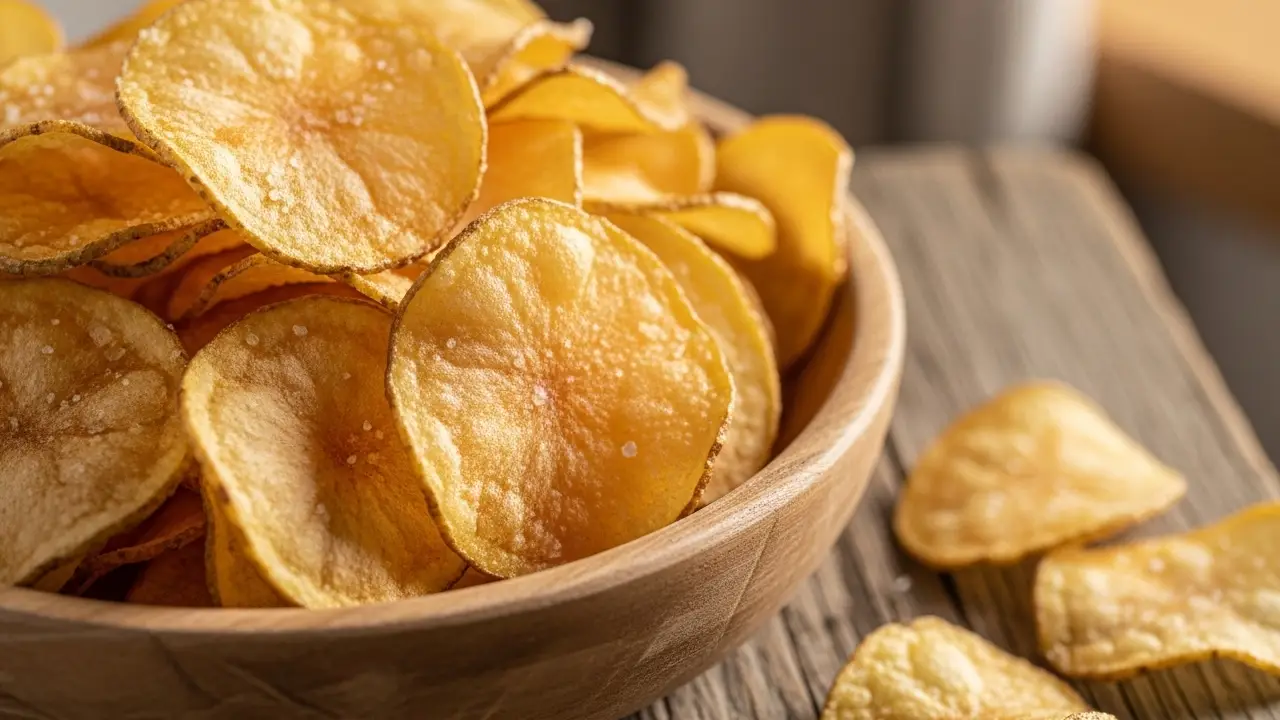
Potato Chips remain one of the most popular snack foods worldwide, loved for their crispy texture and rich flavors. From classic salted varieties to innovative gourmet options, potato chips continue to evolve with changing consumer preferences. In this detailed guide, we explore everything about potato chips, including their history, types, ingredients, health considerations, and modern trends.
History of Potato Chips
The origin of potato chips dates back to the 19th century when they were first created as a culinary experiment. Over time, they transformed into a globally consumed snack, becoming a staple in households and social gatherings.
Initially served in restaurants, potato chips gained mass popularity with industrial production. Today, they are available in countless flavors, textures, and packaging styles, making them a versatile snack option.

How Potato Chips Are Made
The process of making potato chips involves selecting high-quality potatoes, slicing them into thin pieces, and frying or baking them until crispy. The final step includes seasoning with salt or flavoring agents.
Modern production methods focus on maintaining consistency, hygiene, and taste. Some brands also offer baked or air-fried versions as alternatives to traditional fried chips.
Types of Potato Chips
There are several varieties of potato chips available in the market, catering to different taste preferences. Each type offers a unique texture and flavor experience.
Common types include classic salted chips, ridged chips for extra crunch, kettle-cooked chips for a thicker texture, and flavored chips such as barbecue, sour cream, and spicy varieties.
Nutritional Value of Potato Chips
The nutritional profile of potato chips varies depending on preparation methods and ingredients. Generally, they contain carbohydrates, fats, and a moderate amount of sodium.
While they can be enjoyed as an occasional snack, it is important to consume them in moderation due to their calorie density. Some healthier alternatives include baked chips with reduced oil content.
Health Considerations
Regular consumption of potato chips in large quantities may contribute to health concerns such as weight gain or increased sodium intake. Therefore, portion control is essential.
Choosing products with lower sodium, minimal additives, and healthier cooking methods can help maintain a balanced diet while still enjoying this popular snack.
Homemade Potato Chips
Making potato chips at home is a simple and rewarding process. Fresh potatoes are sliced thinly, rinsed to remove starch, and then fried or baked until crisp.
Homemade chips allow for better control over ingredients and seasoning, making them a healthier and customizable option for snack lovers.
Popular Flavors Around the World
Potato chips come in a wide range of flavors influenced by regional tastes and culinary traditions. This diversity adds to their global appeal.

Examples include spicy chili flavors in Asia, vinegar-based chips in Europe, and cheese or barbecue varieties in North America. Each flavor reflects local food culture.
Market Trends and Innovations
The potato chips industry continues to grow with innovations such as organic chips, gluten-free options, and unique flavor combinations. Packaging has also improved to maintain freshness and sustainability.
Consumers are increasingly interested in healthier snacks, leading to the development of baked chips, low-fat options, and chips made from alternative ingredients.
Storage and Shelf Life
Proper storage of potato chips ensures they remain fresh and crispy. They should be kept in airtight containers and stored in a cool, dry place.
Once opened, chips should be consumed within a few days to maintain their texture and flavor. Exposure to air can cause them to become stale.
Potato Chips
| Feature | Details |
|---|---|
| Main Ingredient | Potatoes |
| Cooking Method | Fried, Baked, or Air-Fried |
| Texture | Crispy and Crunchy |
| Flavors | Salted, Spicy, BBQ, Cheese, Vinegar, and more |
| Packaging | Sealed bags or containers |
| Shelf Life | Several months (unopened) |
| Serving Size | Typically 28g per serving |
Conclusion
Potato chips continue to be a favorite snack due to their taste, convenience, and variety. Whether enjoyed occasionally or as part of social gatherings, they remain a versatile option for people of all ages.
By understanding their preparation, nutritional value, and available choices, consumers can make informed decisions and enjoy potato chips responsibly.
Frequently Asked Questions (FAQs)
1. Are potato chips unhealthy?
Potato chips can be high in calories and sodium, so they should be consumed in moderation as part of a balanced diet.
2. What are the healthiest types of potato chips?
Baked or air-fried potato chips with reduced salt and minimal additives are considered healthier options.
3. Can I make potato chips at home?
Yes, homemade potato chips are easy to prepare and allow better control over ingredients and cooking methods.
4. How should potato chips be stored?
They should be stored in airtight containers in a cool, dry place to maintain freshness and crispness.
5. What are the most popular flavors of potato chips?
Common flavors include salted, barbecue, cheese, sour cream, and spicy varieties, depending on regional preferences.