Cinco de Mayo is one of the most widely recognized cultural celebrations associated with Mexican heritage, especially in the United States. While many people assume it marks Mexico’s Independence Day, the reality is quite different. This day holds deep historical significance tied to resilience, identity, and national pride.
Observed annually on May 5, Cinco de Mayo has grown beyond its historical roots to become a global cultural celebration featuring food, music, and community gatherings. In this article, we explore the origins, historical importance, modern celebrations, and common misconceptions about this popular day.
What Is Cinco de Mayo?
Cinco de Mayo, which translates to “Fifth of May” in Spanish, commemorates the Mexican army’s victory over the French Empire at the Battle of Puebla on May 5, 1862. This unexpected triumph became a symbol of resistance and unity for Mexico during a time of foreign intervention.

The holiday is often confused with Mexican Independence Day, which is actually celebrated on September 16. While Cinco de Mayo is a relatively minor holiday in Mexico, it has become a major cultural event in the United States, especially in regions with large Mexican-American communities.
The Historical Background of Cinco de Mayo
In the early 1860s, Mexico was facing significant financial difficulties and had suspended debt payments to European countries. In response, France, under Emperor Napoleon III, launched an invasion to establish influence in Mexico.
On May 5, 1862, the Mexican army, led by General Ignacio Zaragoza, faced a much larger and better-equipped French force near the city of Puebla. Despite the odds, Mexican troops secured a decisive victory. This event became the foundation of Cinco de Mayo, representing courage and determination.
Why Cinco de Mayo Is Important
The importance of Cinco de Mayo lies not only in the military victory but also in what it symbolizes. It represents resistance against foreign domination and highlights the strength of national unity during difficult times.
For Mexican-Americans, the day carries additional meaning as it celebrates cultural identity, heritage, and community pride. It serves as an opportunity to honor traditions and educate others about Mexican history and contributions.
How Cinco de Mayo Is Celebrated
Celebrations of Cinco de Mayo vary depending on location. In Mexico, particularly in Puebla, the day is marked with parades, reenactments of the battle, and official ceremonies.
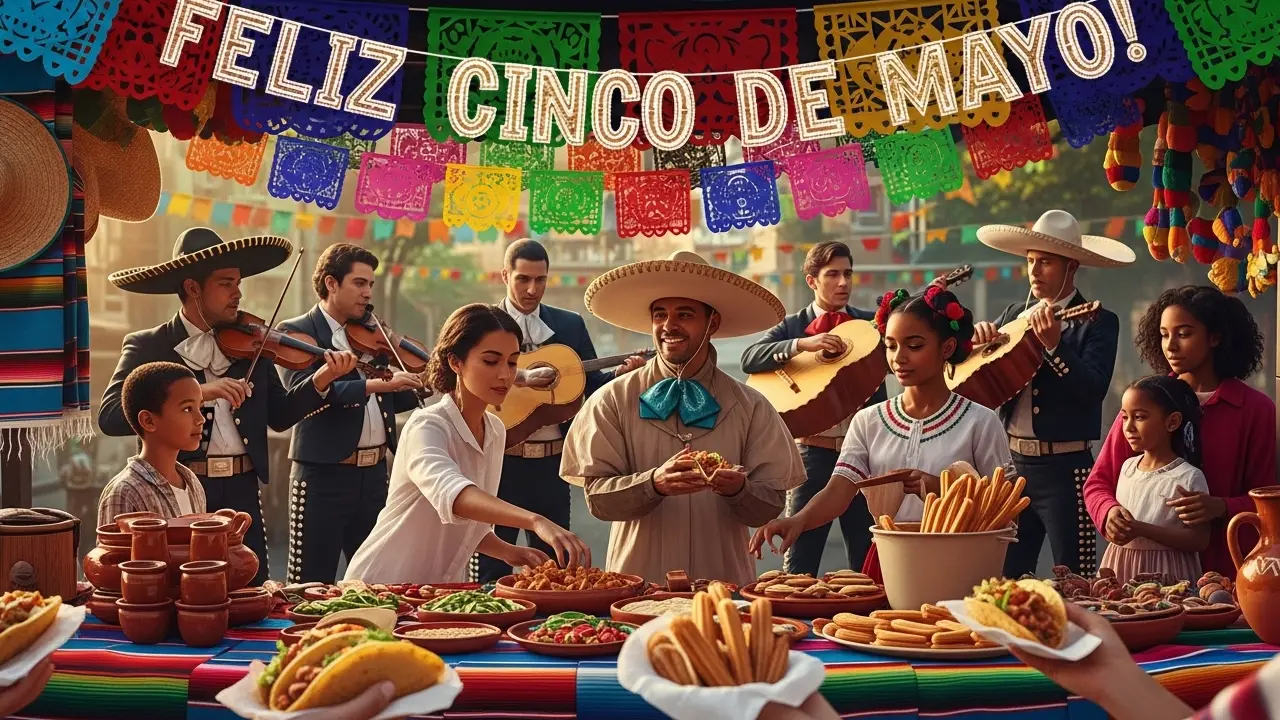
In the United States, the holiday has evolved into a large-scale cultural celebration featuring festivals, music performances, traditional dances, and food events. Many communities organize parades and educational programs to promote awareness of Mexican culture.
Traditional Foods Associated with Cinco de Mayo
Food plays a central role in Cinco de Mayo celebrations. Popular dishes include tacos, tamales, enchiladas, guacamole, and mole poblano, which has strong ties to the Puebla region.
These dishes are often shared during family gatherings and public events, highlighting the richness and diversity of Mexican cuisine. Authentic recipes are valued, and many people use this day to explore traditional cooking methods.

Common Misconceptions About Cinco de Mayo
One of the most widespread misconceptions is that Cinco de Mayo marks Mexico’s Independence Day. In reality, Independence Day is celebrated on September 16, commemorating the start of Mexico’s war for independence from Spain.
Another misunderstanding is that the holiday is widely celebrated across all of Mexico. In fact, it is primarily observed in Puebla, while other regions treat it as a normal day.
Cinco de Mayo in the United States
The popularity of Cinco de Mayo in the United States began in the 1960s during the Chicano movement, when Mexican-Americans used the day to celebrate their cultural identity and heritage.
Over time, the celebration gained mainstream recognition, with cities hosting large events that attract diverse audiences. Today, it serves as both a cultural celebration and an educational opportunity.
Cultural Significance and Modern Relevance
In modern times, Cinco de Mayo has become a symbol of cultural appreciation and diversity. It encourages people to learn about Mexican history and traditions while fostering cross-cultural understanding.
However, it is also important to celebrate respectfully by focusing on authentic traditions rather than stereotypes. Understanding the true meaning behind the day helps maintain its cultural integrity.
Key Facts About Cinco de Mayo
| Category | Details |
|---|---|
| Holiday Name | Cinco de Mayo |
| Date | May 5 |
| Historical Event | Battle of Puebla (1862) |
| Main Location of Origin | Puebla, Mexico |
| Significance | Victory against French forces |
| Common Activities | Parades, festivals, traditional food, music |
| Major Celebrations | United States and Puebla, Mexico |
How to Celebrate Cinco de Mayo Respectfully
To celebrate Cinco de Mayo respectfully, it is important to focus on its cultural and historical significance. Learning about the Battle of Puebla and understanding Mexican traditions can enhance the experience.
Participating in community events, enjoying authentic cuisine, and supporting local Mexican businesses are meaningful ways to celebrate. Avoiding stereotypes and appreciating the culture ensures that the holiday is honored appropriately.
Conclusion
Cinco de Mayo is more than just a festive day; it is a reminder of resilience, unity, and cultural pride. While its historical roots lie in a specific battle, its modern significance extends far beyond, especially in multicultural societies.
By understanding its origins and celebrating it thoughtfully, individuals can appreciate the true meaning of Cinco de Mayo and contribute to preserving its cultural value for future generations.