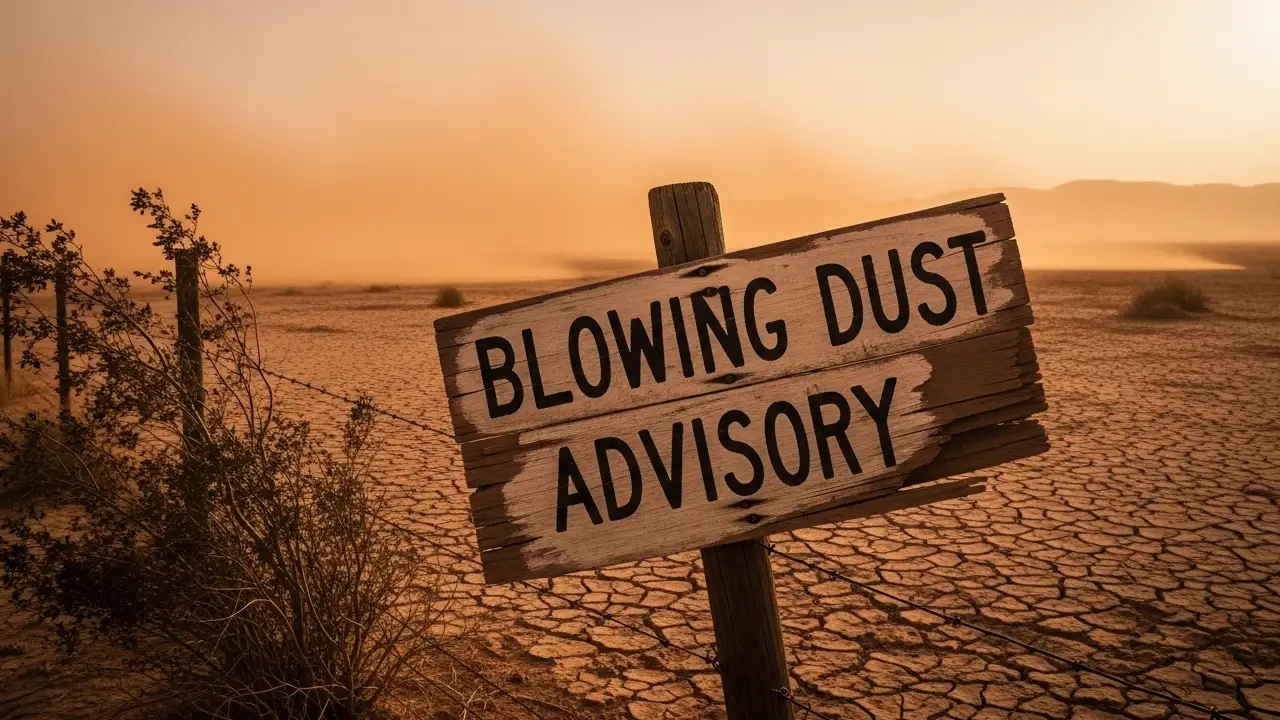
Chicago has recently experienced unusual weather alerts, including a blowing dust advisory, raising concerns among residents and commuters. While the city is more commonly associated with strong winds, snowstorms, and lake-effect weather, blowing dust events can create unexpected hazards, especially when dry conditions combine with powerful gusts.
This article explains what a blowing dust advisory in Chicago means, why it happens, how it impacts daily life, and what safety measures residents should follow. Understanding these advisories is essential for staying safe during rapidly changing weather conditions.
What Is a Blowing Dust Advisory?
A blowing dust advisory is issued when strong winds lift dust and loose soil particles into the air, significantly reducing visibility. These conditions can make driving dangerous and affect air quality, especially for people with respiratory issues.

In Chicago, such advisories are less common compared to desert regions. However, during dry spells combined with high wind speeds, open construction sites, farmland, and exposed soil areas can contribute to dust being carried across roads and neighborhoods.
Why Chicago Experiences Blowing Dust Conditions
Chicago’s geography and climate can occasionally create the right conditions for blowing dust. Although the city is not located in a desert, several factors can lead to this phenomenon.
One major factor is strong wind gusts, which are frequent in Chicago due to its proximity to Lake Michigan. When these winds occur after a period of dry weather, they can easily lift dust from exposed ground surfaces.
Another contributing factor is construction activity. Large urban development projects often leave soil exposed, which becomes a source of airborne dust during windy conditions.
Additionally, surrounding agricultural areas outside the city can also play a role. Dust from rural land can be carried into urban regions, reducing visibility on highways and nearby roads.
Impact on Visibility and Transportation
One of the biggest risks during a blowing dust advisory in Chicago is reduced visibility. In severe cases, visibility can drop to near zero within seconds, creating dangerous conditions for drivers.
Highways and open roads are particularly affected. Sudden dust clouds can catch drivers off guard, increasing the risk of multi-vehicle accidents. Public transportation may also experience delays if conditions worsen.
Air travel can sometimes be impacted as well. Although less common, dust in the air can reduce visibility near airports, leading to minor disruptions or delays.
Health Effects of Blowing Dust
Blowing dust is not just a visibility issue—it can also affect health. Fine particles in the air can irritate the eyes, nose, and throat.
People with asthma, allergies, or other respiratory conditions are especially vulnerable. Breathing in dust particles may trigger symptoms such as coughing, shortness of breath, or chest discomfort.
Even for healthy individuals, prolonged exposure can cause mild irritation. This is why authorities often recommend limiting outdoor activities during such advisories.
Safety Tips During a Blowing Dust Advisory
Staying safe during a blowing dust event in Chicago requires awareness and quick action. Here are some important safety tips to follow:
For Drivers: If you encounter a dust cloud, reduce speed immediately and avoid sudden braking. Turn on your headlights to improve visibility and make your vehicle more visible to others.
If visibility becomes extremely poor, safely pull over to the side of the road, turn off your lights, and keep your foot off the brake to avoid confusing other drivers.

For Residents: Stay indoors as much as possible. Keep windows and doors closed to prevent dust from entering your home.
For Health Protection: Consider wearing a mask if you need to go outside, especially if you have respiratory conditions. Using air purifiers indoors can also help maintain better air quality.
How Long Do Blowing Dust Advisories Last?
The duration of a blowing dust advisory depends on weather conditions. Typically, these advisories last for a few hours until wind speeds decrease or moisture levels increase.
Rain can quickly settle dust particles, improving visibility and air quality. However, if dry and windy conditions persist, advisories may be extended.
Difference Between Dust Advisory and Other Weather Alerts
It is important to distinguish a blowing dust advisory from other weather alerts issued in Chicago.
Unlike snowstorms or heavy rain warnings, dust advisories focus primarily on visibility and air quality rather than precipitation. They are also different from wind advisories, although strong winds are often the underlying cause.
Understanding these differences helps residents respond appropriately and take the necessary precautions.
Role of Weather Forecasting and Alerts
Meteorologists play a key role in identifying and predicting blowing dust events. Using advanced weather models and real-time data, they can issue timely warnings to the public.
Residents are encouraged to stay updated through reliable weather sources, especially during periods of strong winds and dry conditions. Early awareness can significantly reduce risks associated with these events.
How Climate Patterns May Influence Dust Events
Changing climate patterns can influence the frequency of unusual weather events, including blowing dust in urban areas like Chicago.
Longer dry periods and fluctuating weather conditions may increase the likelihood of dust being lifted into the air. While such events are still relatively rare in Chicago, they may become more noticeable over time.
Urban planning and environmental management, such as controlling exposed soil at construction sites, can help reduce the impact of these events.
Conclusion
The blowing dust advisory in Chicago highlights how even cities not typically associated with dust storms can experience sudden and potentially hazardous conditions. Strong winds, dry weather, and environmental factors can combine to create reduced visibility and health concerns.
By staying informed, following safety guidelines, and understanding the risks, residents can better protect themselves during these events. While blowing dust advisories are usually short-lived, their impact can be significant if proper precautions are not taken.
Overview
| Category | Details |
|---|---|
| Advisory Type | Blowing Dust Advisory |
| Primary Cause | Strong winds lifting dry soil and dust particles |
| Main Risk | Reduced visibility and road safety hazards |
| Health Impact | Respiratory irritation and allergy triggers |
| Common Duration | A few hours depending on weather conditions |
| Precautions | Limit outdoor activity, drive carefully, stay informed |