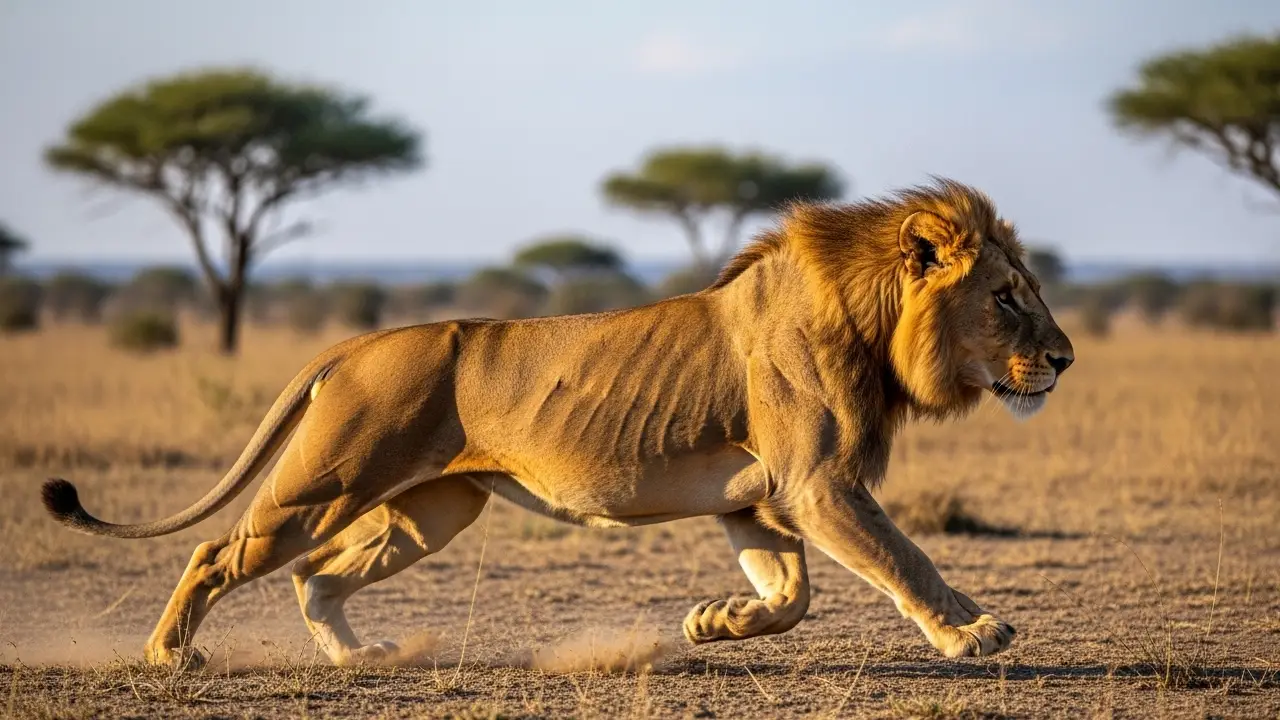
African Lion Exercise is gaining popularity among fitness enthusiasts looking for a powerful, bodyweight-based movement that enhances strength, flexibility, and endurance. Inspired by primal movement patterns, this exercise mimics the controlled power and agility of a lion, making it both functional and engaging. In this article, we will explore everything you need to know about this unique exercise, including its benefits, how to perform it correctly, variations, and tips for beginners.
What is African Lion Exercise?
African Lion Exercise is a dynamic bodyweight movement inspired by animal flow workouts. It combines strength, mobility, and coordination in one fluid motion. The exercise typically involves crawling, lunging, and controlled pushing movements that resemble how a lion stalks its prey.
This exercise is commonly used in functional fitness programs because it engages multiple muscle groups at once. It also improves balance, flexibility, and core strength, making it suitable for both beginners and advanced fitness enthusiasts.

Benefits of African Lion Exercise
Incorporating African Lion Exercise into your workout routine offers several physical and mental benefits. It is not just about strength; it also enhances overall body performance.
One of the main advantages is full-body activation. This movement engages your arms, legs, core, and back simultaneously. It also improves coordination and agility, which are essential for everyday movements and athletic performance.
Additionally, this exercise helps increase mobility and flexibility. The crawling and stretching motions improve joint health and reduce stiffness. It can also boost endurance, as it requires sustained effort and controlled breathing.
How to Perform African Lion Exercise Correctly
To get the most out of the African Lion Exercise, proper form is essential. Follow these steps to perform it safely and effectively.
Start in a low squat position with your hands placed firmly on the ground in front of you. Keep your back straight and your core engaged. Slowly move forward by stepping one hand and the opposite foot at the same time, similar to a crawling motion.
Maintain a steady pace and keep your movements controlled. Avoid rushing, as this can reduce effectiveness and increase the risk of injury. Focus on breathing evenly throughout the exercise.
Muscles Worked in African Lion Exercise
The African Lion Exercise is a compound movement that targets multiple muscle groups. This makes it highly efficient for building strength and endurance.
It primarily works the shoulders, arms, and chest as you support your body weight. The core muscles are heavily engaged to maintain balance and stability. Additionally, the legs, including quadriceps and hamstrings, are activated during the crawling motion.
This full-body engagement makes it an excellent addition to any workout routine, especially for those looking to improve functional strength.
Different Variations to Try
There are several variations of the African Lion Exercise that can make your workouts more challenging and engaging. These variations allow you to adjust the intensity based on your fitness level.
One common variation is the slow crawl, where you move at a very controlled pace to increase muscle tension. Another option is adding push-ups between movements to enhance upper body strength.

Advanced users can try explosive movements, such as jumping forward from the crawl position. This adds a cardio element and increases overall intensity.
Tips for Beginners
If you are new to the African Lion Exercise, it is important to start slowly and focus on proper technique. This will help you avoid injuries and get better results.
Begin with short sessions and gradually increase duration as your strength improves. Make sure to warm up before starting, especially your shoulders and hips. This will prepare your body for the movement.
It is also helpful to practice on a soft surface or exercise mat to reduce pressure on your joints. Consistency is key, so include this exercise in your routine regularly for the best results.
Common Mistakes to Avoid
While performing the African Lion Exercise, certain mistakes can reduce its effectiveness or lead to discomfort. Being aware of these can help you improve your form.
One common mistake is moving too fast. This reduces control and can lead to improper posture. Another issue is not engaging the core, which can cause strain on the lower back.
Also, avoid letting your hips rise too high or drop too low. Maintaining a balanced position is essential for proper muscle activation and safety.
How to Include It in Your Workout Routine
The African Lion Exercise can be easily integrated into various workout plans. It works well as part of a warm-up, strength training session, or even a cardio routine.
You can perform it in intervals, such as 30 seconds of movement followed by 15 seconds of rest. It can also be combined with other bodyweight exercises like squats, push-ups, and planks for a complete workout.
For best results, include this exercise 3 to 4 times per week, depending on your fitness goals and overall routine.
Who Should Try African Lion Exercise?
The African Lion Exercise is suitable for a wide range of individuals. It is ideal for those looking to improve functional strength, mobility, and endurance without using equipment.
It is especially beneficial for athletes, fitness enthusiasts, and individuals who prefer bodyweight workouts. However, people with joint issues or injuries should consult a professional before trying this exercise.
African Lion Exercise
| Feature | Details |
|---|---|
| Exercise Type | Bodyweight Functional Movement |
| Primary Muscles | Core, Shoulders, Legs, Arms |
| Difficulty Level | Beginner to Advanced |
| Equipment Needed | None |
| Workout Duration | 10–30 Minutes |
| Main Benefits | Strength, Mobility, Endurance |