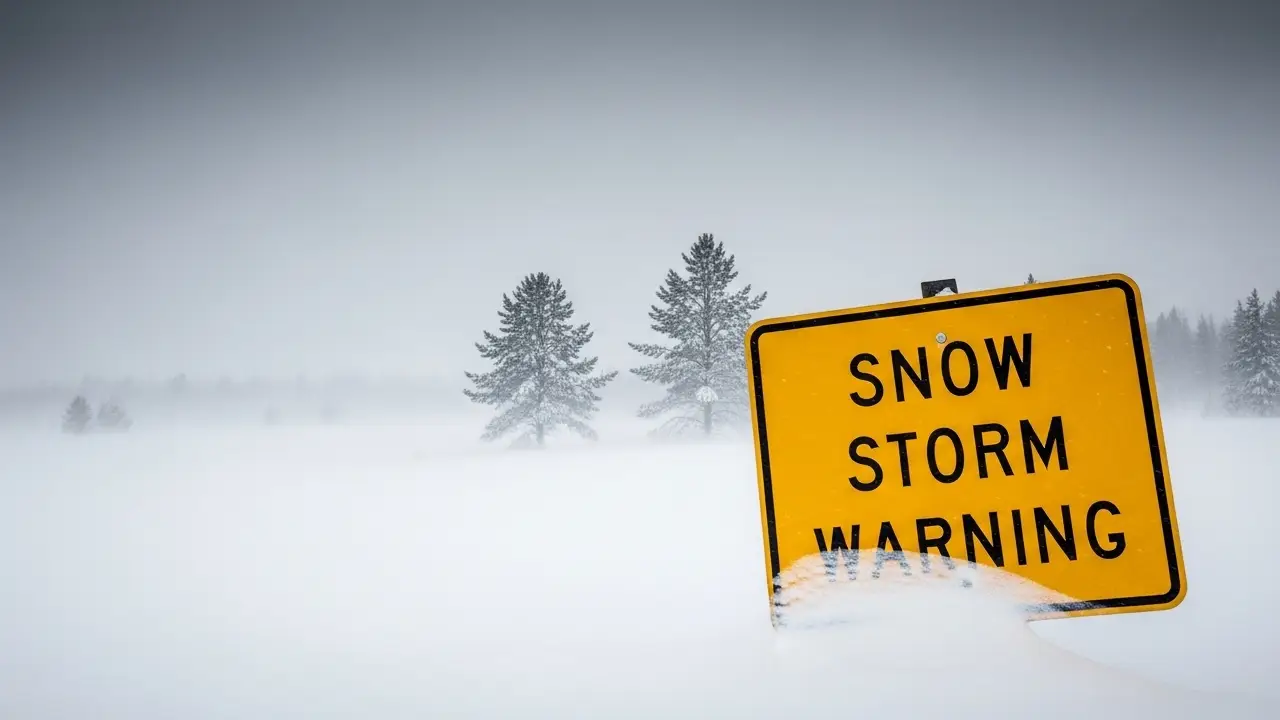
A snow storm warning in Colorado has recently drawn attention as weather conditions across the state continue to shift rapidly. Seasonal storms are not unusual in this region, but strong winter systems can still disrupt daily life, travel, and safety. Understanding what a snowstorm warning means, how it impacts communities, and how to prepare properly is essential for residents and travelers alike.
This article provides a detailed and practical overview of the current situation, including expected conditions, safety tips, travel impacts, and preparation strategies. The goal is to help readers stay informed and make smart decisions during severe winter weather.
What Does a Snow Storm Warning Mean in Colorado?
A snow storm warning is issued when significant snowfall is expected within a short period. In Colorado, this often includes heavy snow accumulation, strong winds, and reduced visibility. These conditions can create dangerous situations, especially in mountainous regions and high-elevation areas.

Warnings are typically issued when snowfall is expected to exceed a certain threshold, often combined with hazardous wind conditions. This level of alert indicates that travel may become difficult or even dangerous, and residents should take precautions immediately.
Current Weather Conditions Across Colorado
The latest forecasts suggest that parts of Colorado may experience heavy snowfall, gusty winds, and rapidly dropping temperatures. Mountain regions are expected to receive the highest accumulation, while urban areas may still see moderate to heavy snow depending on elevation.
Weather systems in Colorado can change quickly due to the state’s unique geography. This makes it important to monitor updates frequently, as conditions may intensify within hours.
How Snow Storms Impact Daily Life
A snow storm warning in Colorado can affect multiple aspects of daily life. Transportation is often the first area impacted, with icy roads, low visibility, and traffic delays becoming common. Airports may also experience delays or cancellations.
In addition, schools and businesses may close temporarily, especially in areas with heavy snowfall. Power outages can also occur if strong winds accompany the storm, particularly in rural or mountainous regions.
Travel Risks During a Snow Storm Warning
Travel during a snowstorm can be risky, especially in Colorado’s mountain passes. Snow accumulation can make roads slippery, while blowing snow reduces visibility. Drivers may also encounter sudden weather changes as they move through different elevations.
Authorities often advise against unnecessary travel during severe conditions. If travel is unavoidable, it is important to carry emergency supplies, including blankets, water, and a fully charged phone.
Safety Tips for Residents
Preparing ahead of time can reduce the risks associated with a Colorado snow storm warning. Keeping your home stocked with essential supplies and ensuring heating systems are working properly are key steps.
Residents should also dress in layers to prevent cold exposure and avoid prolonged time outdoors. Checking on vulnerable individuals, such as elderly neighbors, can also help ensure community safety during extreme weather.

How to Prepare Your Home
Home preparation plays a major role in staying safe during a snowstorm. Insulating windows and doors can help retain heat, while having backup lighting sources such as flashlights is useful in case of power outages.
It is also recommended to keep extra food, drinking water, and batteries available. Snow removal tools like shovels or snow blowers should be ready before the storm begins.
Impact on Colorado’s Mountain Areas
Mountain regions in Colorado are particularly vulnerable during snowstorms. These areas often receive heavier snowfall and stronger winds, which can lead to road closures and avalanche risks.
Visitors planning to travel to ski resorts or mountain towns should check local advisories before heading out. Weather conditions can vary significantly between valleys and higher elevations.
Public Services and Emergency Response
During a snow storm warning in Colorado, local authorities and emergency services remain on high alert. Snowplows work to clear major roads, while emergency teams respond to incidents caused by weather conditions.
Residents are encouraged to follow official guidance and avoid blocking emergency routes. Staying informed through reliable weather updates helps ensure a coordinated response.
Environmental and Seasonal Factors
Colorado’s weather patterns are influenced by its mountainous terrain and seasonal climate shifts. Snowstorms are more common during winter months, but sudden storms can also occur during transitional seasons.
Understanding these patterns helps residents anticipate weather changes and prepare accordingly. Climate variability can also affect the intensity and frequency of storms over time.
Snow Storm Warning Overview
| Feature | Details |
|---|---|
| Warning Type | Snow Storm Warning |
| Main Risk | Heavy snowfall, low visibility, strong winds |
| Affected Areas | Mountain regions, highways, urban zones |
| Travel Impact | Road closures, delays, hazardous driving |
| Preparation Needed | Emergency supplies, home insulation, travel planning |
| Safety Priority | Stay indoors, avoid unnecessary travel |
How Long Do Snow Storm Warnings Typically Last?
The duration of a snow storm warning in Colorado can vary depending on the weather system. Some storms may last only a few hours, while others can continue for several days.
Weather agencies update warnings regularly, so it is important to stay informed and adjust plans accordingly.