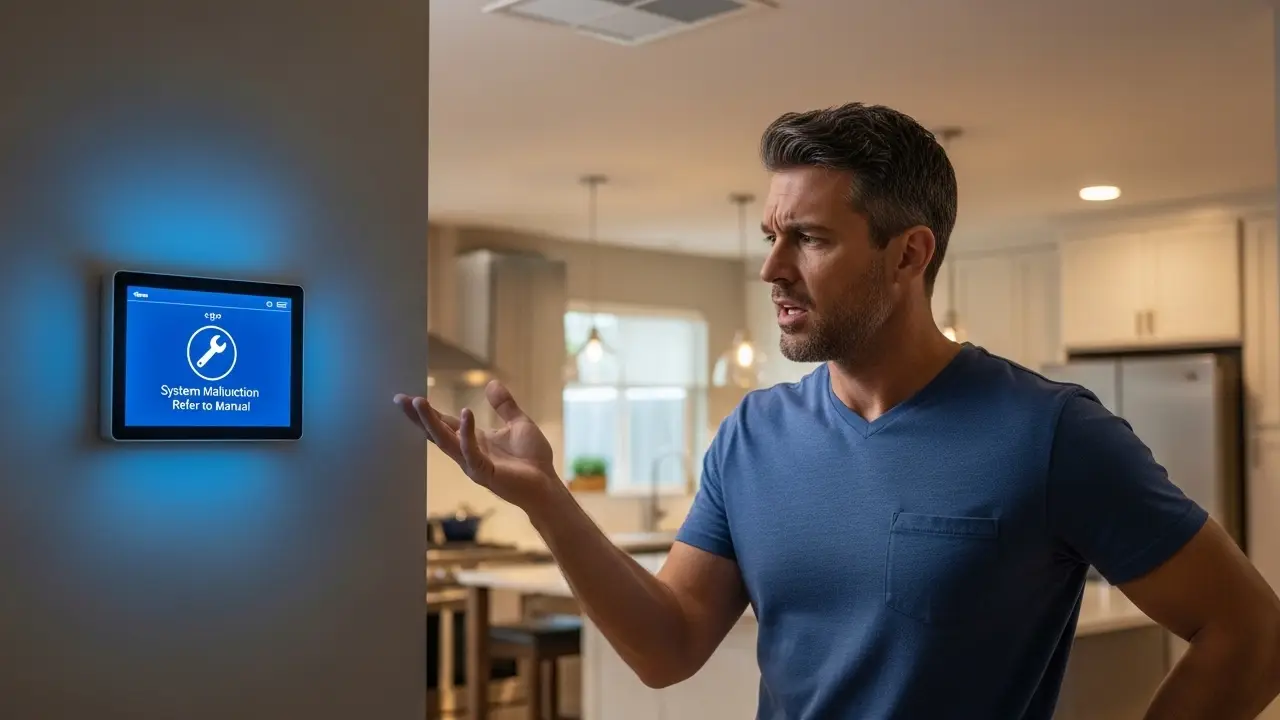
Smart home technology has transformed how we control indoor comfort, especially with advanced heating, ventilation, and air conditioning (HVAC) systems. While these systems offer convenience, automation, and energy efficiency, they are not without challenges. Many homeowners experience Smart Home HVAC Problems that can affect performance, comfort, and even energy bills.
Understanding these issues and knowing how to address them can help you maintain a reliable and efficient smart HVAC system. This guide explores the most common problems, their causes, and practical solutions to keep your home comfortable year-round.
What Are Smart Home HVAC Systems?
Smart HVAC systems integrate traditional heating and cooling equipment with advanced technologies such as smart thermostats, sensors, and mobile apps. These systems allow users to monitor and control indoor temperatures remotely, automate schedules, and optimize energy usage.

Despite their benefits, these systems rely heavily on connectivity, software, and proper installation. This makes them more complex than conventional systems and sometimes prone to unique technical issues.
Common Smart Home HVAC Problems
Below are the most frequently reported issues homeowners face with smart HVAC systems.
1. Connectivity Issues
One of the most common Smart Home HVAC Problems is poor or unstable internet connectivity. Since smart thermostats and sensors rely on Wi-Fi, any disruption can affect system performance.
Weak signals, router placement, or network congestion can lead to delayed commands, disconnections, or complete system failure. Ensuring a strong and stable Wi-Fi connection is essential for smooth operation.
2. Incorrect Temperature Readings
Smart thermostats use sensors to measure room temperature. However, improper placement near windows, vents, or direct sunlight can lead to inaccurate readings.
This can cause the HVAC system to overheat or overcool your home, leading to discomfort and increased energy consumption. Proper installation and calibration are key to avoiding this issue.
3. Compatibility Problems
Not all HVAC systems are fully compatible with smart technology. Older systems may lack the wiring or components needed for seamless integration.
This mismatch can result in limited functionality, frequent errors, or system malfunctions. Before upgrading, it is important to verify compatibility between your HVAC system and smart devices.
4. Software Glitches and App Errors
Smart HVAC systems rely on software and mobile applications. Bugs, outdated firmware, or app crashes can disrupt normal operation.
Users may experience issues such as unresponsive controls, incorrect scheduling, or failed updates. Regular software updates and using official apps can help minimize these problems.
5. Sensor Malfunctions
Sensors play a critical role in maintaining accurate temperature and humidity levels. When these sensors fail or provide incorrect data, the entire system can become inefficient.
Faulty sensors may lead to uneven cooling or heating in different rooms. Replacing or recalibrating sensors can resolve these inconsistencies.
6. Over-Reliance on Automation
While automation is a major advantage, excessive reliance on it can sometimes create issues. Incorrect schedules or learning algorithms may not align with your lifestyle.
This can result in unexpected temperature changes or discomfort. Regularly reviewing and adjusting automation settings ensures better performance.
7. Power and Wiring Issues
Smart thermostats often require a continuous power supply, usually through a C-wire. If your system lacks proper wiring, it may cause frequent shutdowns or erratic behavior.

Professional installation can help ensure the wiring meets the requirements of your smart HVAC system.
Causes Behind Smart HVAC Issues
Understanding the root causes of Smart Home HVAC Problems can help prevent them in the future.
Common causes include poor installation, outdated hardware, weak internet connectivity, lack of maintenance, and incompatible devices. In many cases, these issues can be avoided with proper planning and regular system checks.
How to Fix Smart Home HVAC Problems
Addressing these issues does not always require professional help. Many problems can be resolved with simple troubleshooting steps.
Start by checking your Wi-Fi connection and ensuring your router is positioned for optimal coverage. Restart your smart thermostat and update the software regularly. If the problem persists, consult a professional technician to inspect wiring and compatibility.
Tips to Prevent HVAC System Issues
Prevention is always better than repair. By following a few simple practices, you can reduce the chances of encountering Smart Home HVAC Problems.
Install your thermostat in an appropriate location, maintain your HVAC system regularly, and ensure all devices are compatible before installation. Keeping your software updated and monitoring system performance can also help maintain efficiency.
Benefits of Properly Functioning Smart HVAC Systems
When working correctly, smart HVAC systems offer numerous advantages. These include improved energy efficiency, better temperature control, remote access, and cost savings on utility bills.
Additionally, they enhance comfort by maintaining consistent indoor conditions and adapting to your preferences over time.
Smart HVAC System Specifications Overview
| Feature | Details |
|---|---|
| Connectivity | Wi-Fi, Bluetooth, App Integration |
| Control | Mobile App, Voice Assistants, Automation |
| Sensors | Temperature, Humidity, Motion Sensors |
| Compatibility | Modern HVAC Systems, Limited Older System Support |
| Energy Efficiency | Optimized Scheduling and Usage Tracking |
| Maintenance Alerts | Filter Replacement and System Notifications |
When to Call a Professional
While many issues can be resolved at home, some situations require expert assistance. If your system frequently disconnects, fails to respond, or shows persistent errors, it may indicate deeper technical problems.
Professional technicians can diagnose wiring issues, compatibility problems, and hardware failures more accurately, ensuring your system operates safely and efficiently.
Future of Smart HVAC Systems
The future of smart HVAC technology looks promising, with advancements in artificial intelligence and energy management. These systems are expected to become more reliable, user-friendly, and efficient.
Improved integration with other smart home devices will further enhance convenience, making it easier to manage indoor comfort with minimal effort.
Conclusion
Smart Home HVAC Problems can be frustrating, but they are often manageable with the right knowledge and approach. By understanding common issues such as connectivity problems, sensor errors, and compatibility challenges, homeowners can take proactive steps to maintain their systems.
Regular maintenance, proper installation, and staying updated with software can significantly improve system performance. A well-functioning smart HVAC system not only enhances comfort but also contributes to long-term energy savings.